
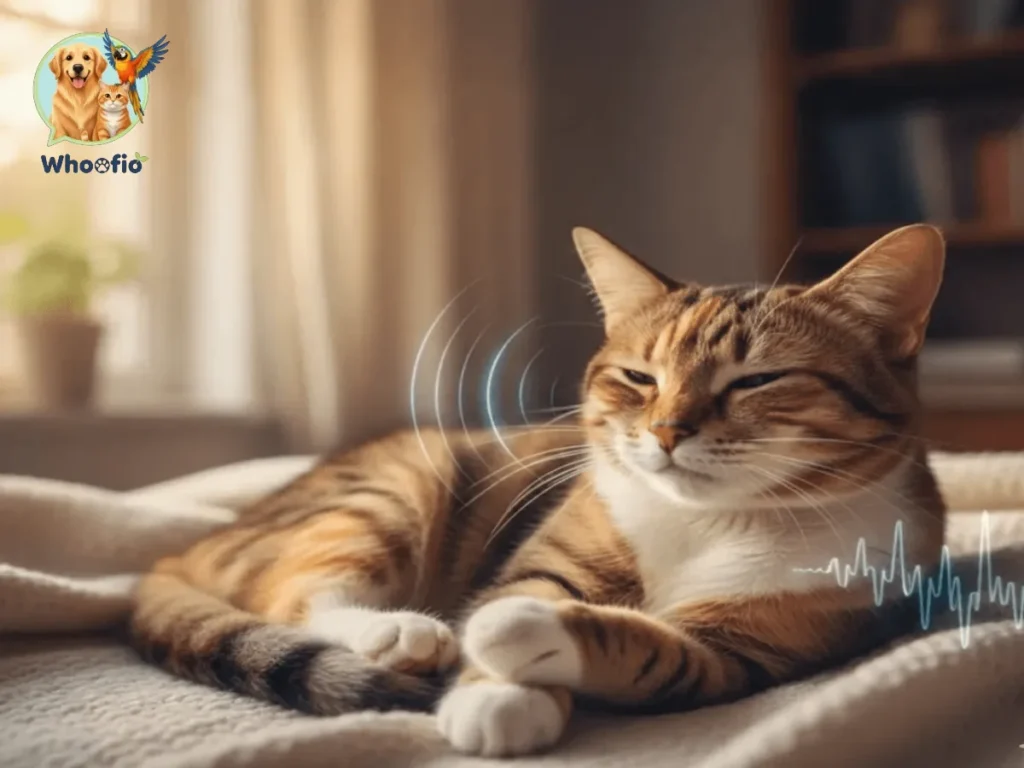
Few sounds in the animal kingdom are as comforting, mysterious, and beloved as a cat’s purr. If you’ve ever sat with your feline companion and felt that soft vibration while petting them, you’ve experienced one of the most iconic behaviors of domestic cats. But why do cats purr? Is it always a sign of happiness, or could it mean something else entirely?
In this post, we will explore everything about cat purring—from the science behind it to emotional and physical reasons, and how to understand what your cat is really trying to communicate.
The Science of Cat Purring
Purring is more than just a cute noise; it’s a fascinating physiological phenomenon. Scientists have studied cats for decades to understand how and why cats purr.
How Cats Produce a Purr
Cats purr through a combination of their brain, larynx, and diaphragm. A repetitive neural oscillator in the brain sends signals to the muscles around the larynx, causing them to twitch rapidly—between 25 and 150 times per second (Hz). As the cat inhales and exhales, the air passing over these vibrating vocal cords produces the familiar purring sound.
The hyoid bone, located between the tongue and the roof of the mouth, plays an essential role. Its flexibility allows cats to purr continuously, whether breathing in or out. Interestingly, not all cats can purr in the same way: big cats like lions and tigers cannot produce the continuous purring sound due to differences in their vocal anatomy, while smaller cats like cheetahs, bobcats, and domestic cats can.
Top Reasons Why Cats Purr
Understanding why cats purr helps cat owners respond to their pet’s needs, interpret their mood, and enhance the human-cat bond.
1. Expressing Happiness and Contentment
The most familiar reason cats purr is that they are happy, relaxed, and comfortable. A cat lying in your lap, curling in a sunbeam, or enjoying gentle petting is often expressing contentment through purring.
Some signs your cat is purring from happiness include:
- Relaxed posture with half-closed eyes
- Slow, gentle kneading of their paws
- Tail resting calmly, sometimes gently swishing
- Calm and steady breathing
Purring is often accompanied by other body language signals of contentment, such as soft blinking, stretching, or curling their body into a comfortable ball. The act of purring itself can even release endorphins, helping cats relax further and reinforcing the feeling of well-being.
2. Communication With Humans and Other Cats
Cats do not speak in words, but they are constantly communicating through body language and vocalizations. Purring is one of the primary tools they use for communication.
Kittens and Mothers
Kittens start purring at just a few days old, even before their eyes open. This early purr acts as a signal to their mother that they are nearby, safe, and in need of care. Mothers respond to this vibration, helping to strengthen bonding and ensure kittens’ survival.
Adult Cats
Adult cats continue to use purring to communicate. For instance:
- Solicitation purrs: When cats want attention, food, or play, they often produce a higher-pitched purr that includes a meow-like component. Studies show that humans instinctively respond to this purr, much like we respond to a baby crying.
- Social purrs: Cats may purr in the presence of other cats to signal friendly intentions, reduce aggression, and maintain social harmony.
By observing context—what your cat is doing, the environment, and their body language—you can better understand the message behind their purrs.
3. Healing and Pain Relief
One of the most remarkable aspects of purring is its potential self-healing properties. Research indicates that the vibrations produced by a cat’s purr (25–150 Hz) can have therapeutic effects on bones, muscles, and soft tissue.
Some potential healing benefits include:
- Bone strengthening: Vibrations may stimulate bone density and healing of minor fractures.
- Tissue regeneration: Purring can accelerate the repair of muscles and tendons.
- Pain reduction: Cats may purr to manage minor pain or discomfort.
- Wound healing: Purr vibrations may promote faster healing of cuts and injuries.
Cats often purr when injured, sick, or stressed, even though it might seem counterintuitive to assume a distressed cat could produce such a calming sound. This suggests that purring is both a physical and emotional self-soothing mechanism, helping cats recover from trauma while signaling calm to others.
4. Stress Relief and Comfort
Cats may also purr to cope with stress, anxiety, or fear. For instance, trips to the vet, loud noises, or unfamiliar surroundings may trigger purring as a self-soothing behavior.
Signs of Stress-Related Purring
- Tense or stiff body posture
- Flattened ears or wide, alert eyes
- Hiding or avoiding interaction
- Rapid breathing or dilated pupils
Stress-related purring works like a coping mechanism, similar to a human humming, rocking, or holding a comfort object. Understanding this aspect of purring can help owners respond with patience, calm voices, and reassurance.
How to Recognize Different Types of Cat Purrs
Cats use purring in different ways, and each type carries a slightly different meaning. Paying attention to the context and accompanying body language is essential.
| Type of Purr | Meaning | Signs to Watch For |
| Contentment Purr | Happiness and relaxation | Relaxed posture, half-closed eyes, kneading paws |
| Solicitation Purr | Requesting attention or food | Higher pitch, mixed meow, persistent purring near humans |
| Stress or Pain Purr | Self-soothing | Tense body, flattened ears, hiding, signs of discomfort |
| Healing/Recovery Purr | Physical repair or recovery | Often during rest after injury or surgery, rhythmic vibration |
By recognizing these differences, you can better understand why your cat purrs in various situations and respond appropriately.
Fun Facts About Cat Purring
- Cats can purr while sleeping, grooming, or even during stressful events.
- Purring may have a cross-species effect, helping calm humans and other animals nearby.
- Some cats purr more than others due to personality differences, just like humans express emotions differently.
- Big cats like lions cannot purr continuously, but cheetahs, bobcats, and ocelots can produce a similar sound.
When to Be Concerned About Purring
While purring is often a positive sign, it can sometimes indicate stress, illness, or injury. Consult a veterinarian if you notice:
- Unusual or persistent purring combined with lethargy
- Loss of appetite or vomiting
- Lameness, injuries, or signs of pain
- Hiding or avoiding usual activities
Early attention to these signs can prevent serious health issues and ensure your cat’s well-being.
How to Respond to Your Cat’s Purring
Understanding why cats purr allows you to respond appropriately:
- Contentment purrs: Offer gentle petting, cuddles, and a calm environment.
- Solicitation purrs: Provide attention, food, or playtime, depending on the situation.
- Stress or pain purrs: Give comfort, reduce stressors, and consult a vet if needed.
- Healing or recovery purrs: Monitor your cat’s recovery, provide quiet spaces, and ensure they have proper nutrition.
Conclusion: Why Do Cats Purr
Cat purring is a multifaceted behavior that goes far beyond just expressing happiness. Cats purr to:
- Communicate with humans and other cats
- Express contentment and relaxation
- Promote self-healing and pain relief
- Reduce stress and soothe themselves
By observing your cat’s body language, environment, and the sound of their purr, you can decode their emotions, respond to their needs, and strengthen your bond. The next time your cat curls up in your lap and begins to purr, remember that this simple, soothing sound carries complex messages about their health, emotions, and trust in you.