
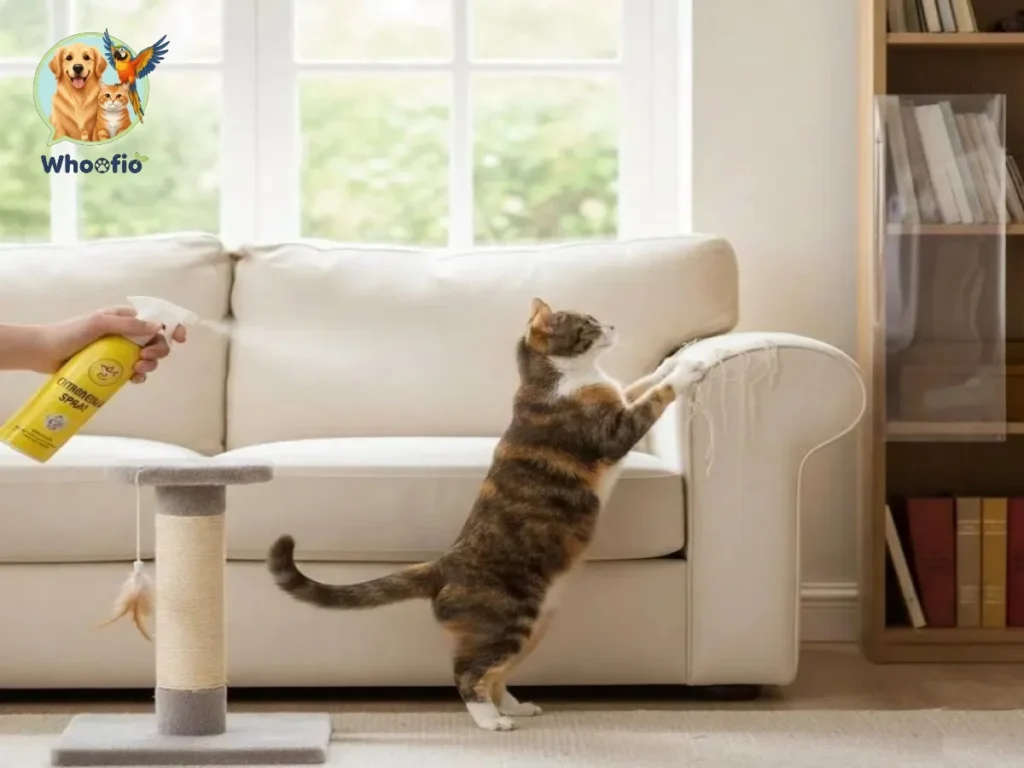
Cats are loving, intelligent, and playful companions, but their instinctive scratching behavior can be challenging for even the most patient pet owners. Scratched sofas, chairs, and carpets are common frustrations, yet scratching is a normal and healthy feline behavior. It allows cats to maintain their claws, stretch their muscles, and release stress.
Understanding why cats scratch and learning how to stop a cat from scratching furniture are essential for protecting your belongings while keeping your feline companion happy, healthy, and mentally stimulated. This guide provides a complete, research-backed approach to managing scratching behavior effectively.
Why Cats Scratch Furniture
Scratching is instinctive and serves several important purposes for cats. Recognizing these reasons helps you address the behavior properly rather than treating it as “bad behavior.”
1. Claw Maintenance
Scratching helps cats shed the outer layers of their claws, keeping them sharp and strong. Surfaces like carpets, furniture, or scratching posts provide the resistance needed for natural nail filing. Without proper outlets, cats may turn to furniture, causing damage and frustration.
2. Marking Territory
Cats have scent glands in their paws, which release pheromones when they scratch. This communicates territorial boundaries to other cats. Even indoor cats retain this instinct, which is why your favorite chair or sofa may seem “personal” to your cat. Understanding this can reduce frustration for pet owners.
3. Stretching and Exercise
Scratching engages the entire body, stretching muscles in the legs, shoulders, and back. Many cats scratch after waking to loosen stiff muscles and prepare for activity. Regular scratching helps maintain flexibility, coordination, and strength.
4. Emotional and Stress Release
Scratching also relieves boredom, anxiety, or excess energy. Cats may scratch excessively if they lack stimulation or feel stressed, making environmental enrichment essential to reduce destructive behavior.
Step-by-Step Guide: How to Stop a Cat from Scratching Furniture
Redirecting your cat’s natural scratching behavior toward appropriate surfaces is the most effective strategy. The following steps provide detailed instructions to protect your furniture and satisfy your cat’s instincts.
Step 1: Trim Your Cat’s Claws Regularly
Trimming your cat’s claws is a simple yet highly effective way to reduce furniture damage. Shorter claws cause less harm while allowing your cat to scratch naturally.
How to trim safely:
Choose a calm time when your cat is relaxed.
Use cat-specific nail clippers to avoid splintering.
Trim only the sharp tip; avoid the quick (the pink part of the nail) to prevent bleeding and pain.
Start slowly, especially with kittens, trimming one or two claws at a time.
Reward your cat with treats or gentle praise to create a positive association.
Why it works: Regular trimming blunts the nails, making scratches less destructive. Over time, your cat becomes comfortable with the routine, reducing stress for both of you.
Step 2: Provide Appropriate Scratching Posts
Offering the right scratching posts encourages your cat to scratch designated areas instead of furniture. Cats have preferences in post type, orientation, and material.
Factors to consider:
Height and Orientation: Vertical posts allow full-body stretches; horizontal pads suit cats that prefer floor scratching.
Stability: Heavy, wide bases prevent tipping, making the post safe and appealing.
Material: Sisal rope, cardboard, wood, or carpet—observe your cat’s natural preference.
Enrichment Features: Multi-level posts with platforms or dangling toys increase engagement.
Pro Tips:
Sprinkle catnip on new posts to attract your cat.
Rotate posts and toys occasionally to prevent boredom.
Why it works: Scratching posts satisfy your cat’s natural instincts while protecting furniture, teaching them acceptable places to scratch.
Step 3: Strategic Placement of Scratching Posts
Placement of scratching posts is just as important as the post itself. Cats are habitual and prefer scratching near familiar areas.
Best locations include:
Close to furniture your cat usually scratches.
Near sleeping or resting areas.
In family spaces where your cat likes to observe activity.
For multiple cats: provide one post per cat plus an extra to reduce territorial disputes.
Why it works: Cats are more likely to use posts if they are accessible and in preferred locations, making furniture less attractive.
Step 4: Positive Redirection Instead of Punishment
Punishing a cat for scratching can increase stress and worsen the problem. Positive redirection is far more effective.
How to redirect:
Gently move your cat from the furniture to the scratching post.
Use treats or toys to encourage interaction with the post.
Praise and reward your cat immediately after using the post.
Repeat consistently to build a habit.
Why it works: Positive reinforcement teaches your cat acceptable scratching behavior while maintaining trust and reducing anxiety.
Step 5: Enrich Your Cat’s Environment
A bored or under-stimulated cat is more likely to scratch furniture. Providing physical and mental enrichment reduces unwanted behavior.
Ways to enrich your cat’s life:
Interactive Play: Wand toys, laser pointers, or fetch games stimulate activity.
Vertical Exploration: Cat trees, shelves, or climbing structures satisfy climbing instincts.
Cognitive Challenges: Puzzle feeders or treat-dispensing toys provide mental stimulation.
Safe Outdoor Access: Supervised patios or “catios” allow exploration safely.
Why it works: A well-stimulated cat is less likely to engage in destructive scratching, improving both behavior and overall well-being.
Step 6: Use Safe Deterrents for Furniture Protection
Even with proper training, some cats may continue targeting furniture. Safe deterrents prevent damage while teaching proper scratching behavior.
Effective options:
Double-sided tape: Cats dislike sticky surfaces.
Aluminium foil or plastic runners: Unfamiliar textures discourage scratching.
Cat-repellent sprays: Citrus scents or water-vinegar solutions work well; test on hidden areas first.
Furniture covers: Blankets, slipcovers, or plastic sheets act as temporary barriers.
Soft nail caps: Non-toxic caps blunt claws without preventing natural scratching.
Why it works: Deterrents reduce the appeal of furniture while supporting your training efforts in a safe, non-punitive way.
Step 7: Manage Stress-Related Scratching
Excessive scratching may indicate stress or anxiety. Recognizing and addressing the cause is crucial.
Signs of stress-related scratching:
Scratching new surfaces suddenly.
Increased scratching near windows or entrances.
Frequent scratching after visitors, changes, or new pets.
Solutions:
Provide hiding spots and elevated perches for security.
Use pheromone diffusers (e.g., Feliway) to calm anxiety.
Maintain a consistent routine for feeding, play, and enrichment.
Why it works: Reducing stress decreases destructive scratching and supports your cat’s emotional health.
Step 8: What Not to Do
Avoid harmful or ineffective methods:
Declawing: Painful, inhumane, and illegal in many countries.
Punishment: Yelling, spraying, or physical force damages trust and worsens behavior.
Forcing Scratcher Use: Dragging your cat to a post causes anxiety and resistance.
Step 9: Bonus Tips to Protect Furniture
Extra steps improve training success:
Rotate scratching toys and posts to prevent boredom.
Cover furniture temporarily during training.
Clean previously scratched areas with enzymatic cleaners to remove pheromones.
Reward and praise your cat when using approved scratching surfaces.
Conclusion: Keeping Your Cat and Furniture Happy
Scratching is a natural and healthy behavior for cats. It helps them keep claws sharp, stretch muscles, and relieve stress. Understanding why cats scratch is key to protecting your furniture while keeping your cat happy.
By providing proper scratching posts, engaging your cat with toys and play, using safe deterrents, trimming claws regularly, and rewarding positive behavior, you can effectively learn how to stop a cat from scratching furniture. Following these steps teaches your cat where it is appropriate to scratch, protects your home, and ensures your cat stays healthy, happy, and stress-free.
With patience, consistency, and understanding, you can create a harmonious environment where both your cat and your furniture remain safe and protected.