
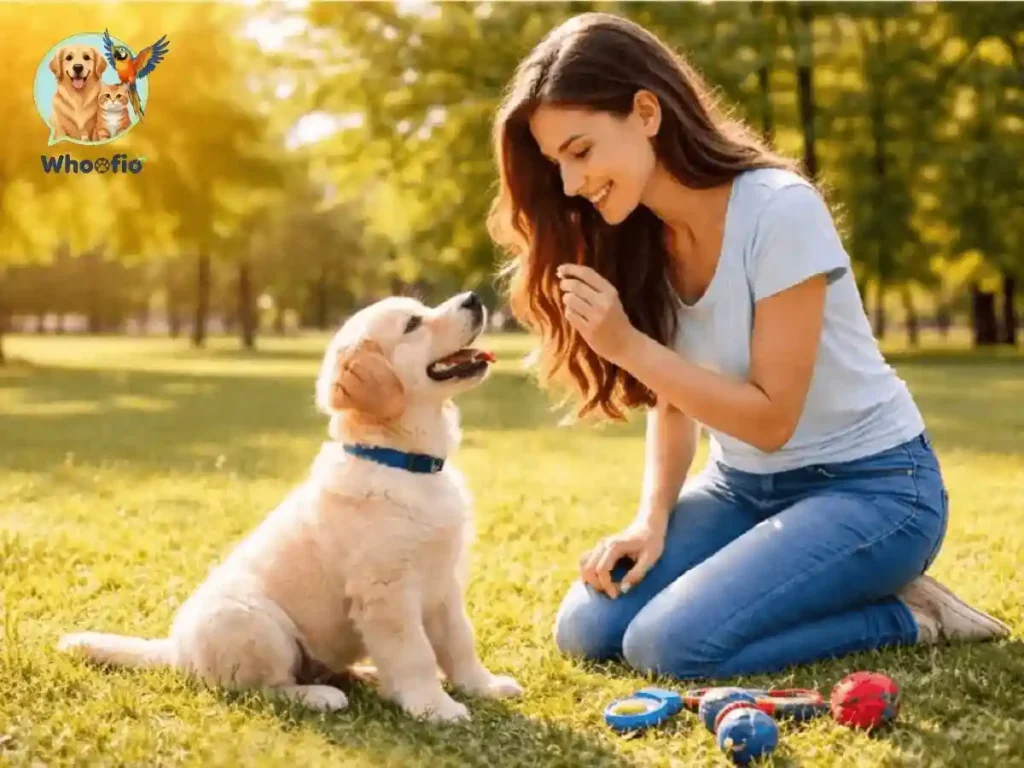
Training a puppy is one of the most rewarding experiences for any pet owner. When done correctly, puppy training builds good behaviour, strengthens the bond between you and your dog, and prevents future behavioural problems. If you are wondering how to train your puppy in a simple and stress-free way, this beginner’s guide will walk you through everything you need to know.
Whether you have just brought your puppy home or are preparing for one, early training helps your puppy grow into a calm, confident, and well-behaved companion.
Why Puppy Training Is Important
Puppies are curious, energetic, and always learning. Without proper guidance, they may develop habits like excessive chewing, jumping, or ignoring commands. Training your puppy early:
- Encourages good manners and obedience
- Builds confidence and reduces fear
- Strengthens communication between you and your puppy
- Makes daily life easier and safer
Experts agree that positive, early puppy training leads to happier dogs and more relaxed owners.
How to Train Your Puppy at Different Development Stages
Understanding puppy development helps you train more effectively. Puppies go through several key stages, and each one plays an important role in learning.
Socialization Stage (6–16 Weeks)
This is one of the most important phases when learning how to train your puppy. During this time, puppies learn how to interact with the world.
Introduce your puppy to:
- Different people and children
- Other friendly dogs and animals
- New sounds, surfaces, and environments
Positive experiences during this stage help prevent fear, anxiety, and aggression later in life. Short visits to parks, calm streets, or pet-friendly places can make a big difference.
Basic Obedience Stage (8–20 Weeks)
This is the perfect time to start basic training. Puppies are eager to learn but have short attention spans.
Focus on:
- Simple commands like sit, stay, and come
- Short training sessions (5–10 minutes)
- Rewarding good behaviour immediately
Training should feel like a game, not a chore. Repeating commands in different places helps your puppy understand them better.
Teething Stage (3–7 Months)
Teething can make puppies uncomfortable, leading to chewing problems. This behaviour is natural and should be managed gently.
Provide:
- Safe chew toys of different textures
- Regular supervision indoors
- Calm redirection when chewing the wrong item
Chewing helps relieve pain and keeps your puppy mentally satisfied.
How to Start Training Your Puppy at Home
Before you begin puppy training, gather a few essential tools that make learning easier.
Training Essentials
Treats
Use small, soft treats that your puppy can eat quickly. High-value treats like chicken or cheese work well for new commands.
Leash and Collar
A properly fitted collar and a strong leash are essential for safety and leash training.
Crate
A crate gives your puppy a safe space and helps with house training. It should be comfortable and never used as punishment.
Clicker (Optional)
Clicker training helps mark good behaviour clearly. Click, then reward immediately.
Basic Puppy Training Techniques
Successful puppy training depends more on how you train than what you teach.
Positive Reinforcement
Positive reinforcement is the most effective and research-supported training method.
Reward your puppy with:
- Treats
- Verbal praise
- Gentle petting
Rewarding good behaviour encourages your puppy to repeat it. Avoid punishment, as it can cause fear and confusion.
Consistency
Consistency helps your puppy understand expectations.
- Use the same commands every time
- Keep household rules the same
- Make sure all family members follow the same training method
Clear rules make learning faster and easier.
Patience
Puppies learn at different speeds. Mistakes are part of the process.
If your puppy struggles:
- Break tasks into smaller steps
- Practice in quieter environments
- Stay calm and encouraging
Patience builds trust and long-term success.
Essential Commands When Training Your Puppy
Teaching basic commands is a key part of learning how to train your puppy properly.
Sit
Hold a treat near your puppy’s nose and slowly move it upward. As the head follows the treat, the bottom naturally sits. Reward immediately and repeat.
This command helps control jumping and improves focus.
Stay
Ask your puppy to sit, then show your palm and say “stay.” Start with short durations and slowly increase time and distance. Always reward success.
Come
Use a happy tone, say your puppy’s name, then “come.” Reward generously when your puppy reaches you. Practice in safe, enclosed spaces first.
A strong recall command is essential for safety.
Common Puppy Training Problems and Solutions
Every puppy owner faces challenges. The key is responding correctly.
Housebreaking Problems
Take your puppy outside:
- After meals
- After naps
- After playtime
Use the same spot and reward immediately after success. Crate training helps puppies develop bladder control.
Chewing Issues
Prevent chewing problems by:
- Offering plenty of chew toys
- Puppy-proofing your home
- Redirecting calmly instead of scolding
Supervision is essential during early months.
Jumping on People
Ignore jumping and reward calm behaviour. Teach your puppy to sit when greeting people. Only give attention when all four paws are on the ground.
Advanced Puppy Training Tips
Once your puppy learns the basics, you can move to more advanced training.
Leash Training
Introduce the leash indoors first. Reward calm walking and stop moving if your puppy pulls. Short, positive walks build good habits.
Continued Socialization
Continue exposing your puppy to new experiences. Controlled interactions help prevent fear and build confidence.
Solving Behaviour Problems
If issues like barking or digging continue:
- Identify the cause (boredom, anxiety, excess energy)
- Increase exercise and mental stimulation
- Use positive reinforcement
If needed, consult a certified dog trainer or veterinarian.
Conclusion:
Learning how to train your puppy takes time, patience, and consistency, but the results are worth it. Training helps your puppy feel secure, confident, and connected to you. Every puppy is unique, so adjust your approach based on their personality and learning speed.
By using positive reinforcement, staying consistent, and understanding your puppy’s needs, you create a strong foundation for lifelong good behaviour. With love, practice, and dedication, your puppy will grow into a well-mannered and happy family member. Enjoy the journey of training your puppy—it’s one of the most rewarding parts of pet ownership.