
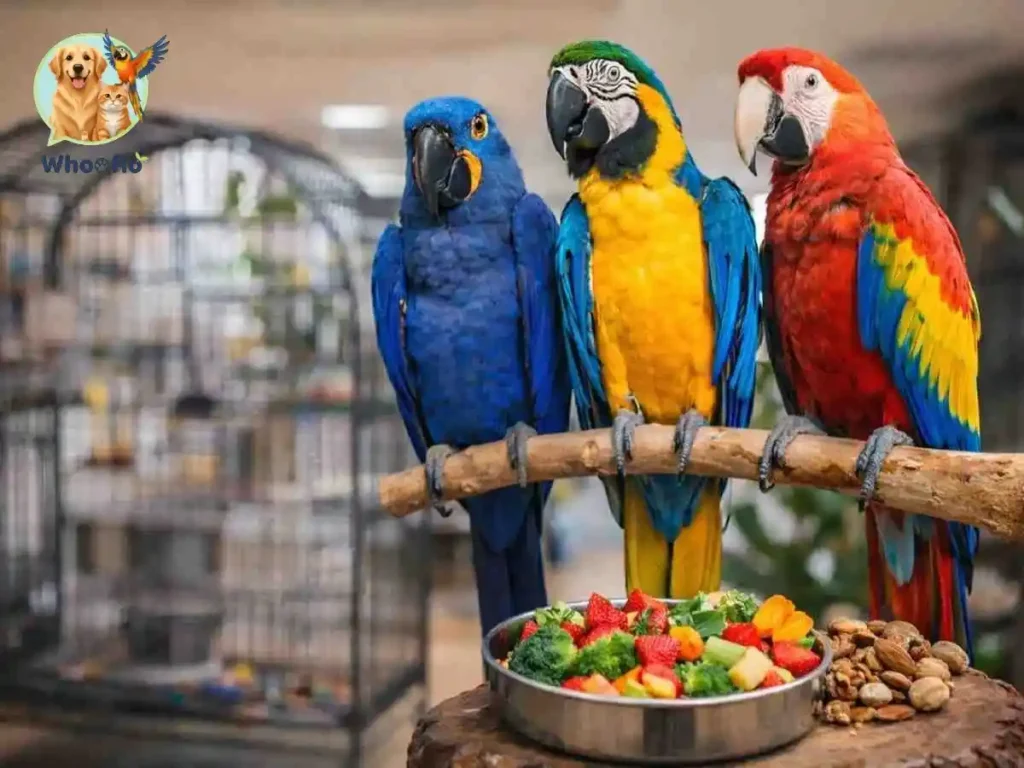
Macaw parrots are some of the most stunning and intelligent birds in the world. Their vibrant colors, long tails, and playful personalities make them favorites among bird enthusiasts. But owning a macaw is not just a casual hobby—it’s a serious long-term commitment. These birds require time, attention, proper diet, and care to stay healthy and happy.
If you are considering bringing a macaw into your home, you might be asking: how much does a macaw parrot cost? Or, is it the right pet for your lifestyle?
This guide covers everything you need to know about macaws, including their history, scientific background, species, care requirements, diet, housing, behavior, and costs.
Scientific Introduction of Macaw Parrots
Macaws belong to the Psittacidae family, which includes parrots, cockatoos, and parakeets. They are part of the genus Ara (true macaws) and Anodorhynchus (Hyacinth macaws). Macaws are native to Central and South America, living in tropical rainforests, savannas, and swamps.
Scientific Traits:
- Zygodactyl feet: Two toes forward and two backward for gripping branches and climbing.
- Strong curved beaks: Perfect for cracking nuts and climbing.
- Highly intelligent brains: Capable of learning tricks and mimicking sounds.
- Long lifespan: Many live 50+ years in captivity.
Scientific Names of Popular Species:
- Blue and Gold Macaw: Ara ararauna
- Scarlet Macaw: Ara macao
- Green-winged Macaw: Ara chloropterus
- Hyacinth Macaw: Anodorhynchus hyacinthinus
Macaws are among the largest parrots in the world and are renowned for their intelligence and striking appearance.
History of Macaw Parrots
Macaws have existed in Central and South America for thousands of years. They were important to indigenous cultures, often considered sacred and appearing in art, jewelry, and rituals.
- Early explorers described macaws for their vibrant colors and playful nature.
- By the 16th century, European traders brought them to Europe as exotic pets.
- Today, macaws are still highly popular as pets, in zoos, and for educational purposes.
Knowing the history of macaws helps us appreciate their uniqueness and the care required to keep them healthy.
Types of Macaw Parrots
There are many macaw species, but some are more commonly kept as pets. Here’s a detailed overview:
| Species | Size (inches) | Lifespan (years) | Personality | Price Range (USD) |
| Blue and Gold | 30–36 | 50+ | Social, playful, intelligent | $1,200 – $2,500 |
| Scarlet | 32–36 | 40–50 | Active, colorful, attention-seeking | $2,000 – $3,500 |
| Green-winged | 33–37 | 50–60 | Gentle, easy to train, friendly | $1,500 – $3,000 |
| Hyacinth | 39–40 | 50+ | Rare, intelligent, high-maintenance | $10,000 – $18,000 |
Description:
Blue and Gold Macaws are perfect for first-time owners due to their social nature and intelligence. Scarlet Macaws are highly active and need plenty of attention. Green-winged Macaws are calm and trainable. Hyacinth Macaws are rare, expensive, and require experienced care.
Physical Characteristics
Macaws are famous for their vivid feathers and long tails.
- Colorful plumage: Combinations of red, yellow, green, and blue
- Long tails: Used for balance and flight
- Strong curved beaks: Can crack nuts and climb easily
- Zygodactyl feet: Grip branches and toys for climbing
Their beauty and unique structure make macaws not only popular as pets but also a favorite in wildlife photography and conservation programs.
Behavior and Personality
Macaws are intelligent and social birds. Understanding their behavior is key to providing proper care:
- Social birds: They form strong bonds with humans and other birds.
- Playful: Love toys, puzzles, and exploring their surroundings.
- Vocal: Can be noisy, especially in apartments or shared homes.
- Intelligent: Can mimic words, recognize routines, and solve problems.
Without proper attention and mental stimulation, macaws may develop undesirable behaviors like screaming, biting, or feather plucking.
Diet and Nutrition
A balanced diet is essential for macaw health and longevity.
- Pellets: The main diet for essential nutrients
- Fresh fruits and vegetables: Apples, carrots, broccoli, leafy greens
- Nuts and seeds: Offer sparingly to avoid obesity
- Fresh water: Must be available daily
Foods to Avoid: Chocolate, caffeine, avocado, salty foods, and processed snacks—these are toxic to birds.
Tip: Rotate fruits and vegetables to provide variety and prevent boredom.
Housing and Cage Requirements
Macaws are large and active, requiring ample space and stimulation.
- Cage size: At least 3 feet wide and 4 feet tall
- Accessories: Perches, ladders, swings, and chewable toys
- Time outside cage: 2–4 hours daily for social interaction and exercise
- Safety: Avoid toxic plants and unsafe materials
Proper housing prevents stress and supports mental and physical health.
Training and Socialization
Macaws are highly trainable, but require patience:
- Hand-taming: For young birds to bond with owners
- Positive reinforcement: Treats, praise, and attention
- Trick training: Keeps their minds active
- Social interaction: Daily human contact prevents loneliness
Training macaws also helps prevent behavioral issues and strengthens the bond between owner and bird.
Health Care and Common Illnesses
Regular veterinary care is essential for macaws:
- Check-ups: Annual visits to an avian vet
- Common illnesses: PBFD (Psittacine Beak and Feather Disease), respiratory infections, obesity
- Hygiene: Keep cages clean, provide fresh water and food, monitor behavior
Tip: Early detection of health problems can save your macaw’s life and prevent costly treatments.
How Much Does a Macaw Parrot Cost?
The cost of a macaw varies depending on species, age, and breeder.
| Species | Average Price (USD) |
| Blue and Gold | $1,200 – $2,500 |
| Scarlet | $2,000 – $3,500 |
| Green-winged | $1,500 – $3,000 |
| Hyacinth | $10,000 – $18,000 |
Additional Costs:
- Cage: $200 – $1,000+
- Food & Treats: $50 – $150/month
- Vet Care: $200 – $500+/year
- Toys & Enrichment: $10 – $30/month
Remember, macaws live 50+ years. Long-term care is a major financial and time commitment.
Lifespan
Macaws are long-lived birds, often reaching 50 years or more in captivity. Some, like Hyacinth Macaws, can live up to 60 years.
This makes owning a macaw a decades-long responsibility, so careful planning is essential.
Pros and Cons of Owning a Macaw
Pros:
- Bright and beautiful birds
- Intelligent and trainable
- Playful and social
- Long-term companionship
Cons:
- Expensive to purchase and maintain
- Require daily attention and interaction
- Very loud, may disturb neighbors
- Long lifespan means a lifelong commitment
Macaws as Pets
Macaws can make fantastic pets if you are prepared for their needs:
- Time: Daily interaction is essential
- Space: Large cage and room for flying
- Care: Proper diet, toys, and vet care
- Experience: Best for owners with patience or prior bird experience
For the right person, macaws are rewarding pets that provide companionship, intelligence, and entertainment for decades.
Conclusion
Macaw parrots are beautiful, intelligent, and social birds that can bring joy and companionship for decades. If you are wondering how much does a macaw parrot cost, prices range from $1,200 for a Blue and Gold Macaw to over $18,000 for a rare Hyacinth. But the initial cost is only the beginning. They need a balanced diet, large cage, toys, training, social interaction, and regular vet care. With proper preparation and dedication, macaws can live 50+ years and become playful, affectionate, and fascinating members of your family. Owning a macaw is a long-term commitment, but for the right person, it is one of the most rewarding pet experiences.