
Keeping a pet bird is a joy for many families. Their vibrant colors, playful personalities, and social behavior make them beloved companions. However, one topic that often sparks debate among bird owners is wing clipping—the practice of trimming a bird’s flight feathers to limit its ability to fly.
Wing clipping is a controversial topic because it involves balancing the safety of the bird with its natural need for exercise and freedom. In this article, we will guide you through everything you need to know about wing clipping in pet birds, including its benefits, risks, techniques, and alternatives. By the end, you will have a clear understanding of whether wing clipping is suitable for your feathered friend.
What Is Wing Clipping?
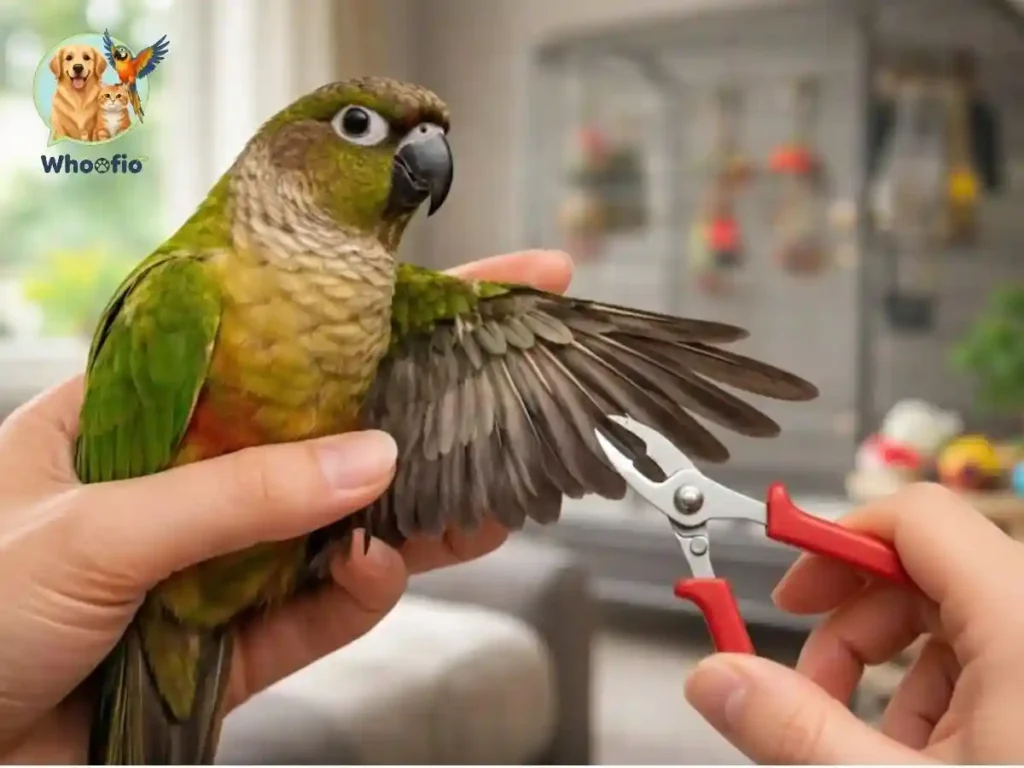
Wing clipping is the process of trimming the primary flight feathers on a bird’s wings. These feathers are responsible for lift and flight, so cutting them partially reduces the bird’s ability to fly without completely removing it. Properly done, wing clipping allows birds to glide safely to the ground, instead of falling uncontrollably.
It is important to note that wing clipping is temporary. As birds molt, the trimmed feathers grow back, which means wing clipping must be repeated periodically. The frequency depends on the bird’s species, age, and molting cycle.
Why Do Owners Clip Their Birds’ Wings?
Many bird owners clip wings for safety and convenience, but there are multiple considerations involved. Here are the main reasons:
- Safety Inside the Home
Fully flighted birds may accidentally fly into windows, mirrors, ceiling fans, or open doors, leading to injuries or escape. Clipping wings reduces the risk of such accidents, helping to keep birds safe in an indoor environment. - Preventing Accidental Escape
Birds are naturally curious and can easily fly out of an open door or window. Clipping wings limits their flight ability, making it less likely they will escape and face dangers outside, such as traffic or predators. - Managing Behavioral Issues
Some birds can exhibit aggressive behavior, especially during breeding season. A clipped wing can reduce chasing or harassment between paired birds, preventing feather damage and stress. - Ease of Handling and Training
Wing clipping can make birds easier to handle, especially for teaching commands like “step up.” It can also encourage birds to interact more comfortably with multiple people in a household. - Household Protection
Birds with clipped wings are less likely to damage household items, chew furniture, or access areas that could harm them, like kitchens, sinks, or bathrooms.
The Risks of Wing Clipping
While wing clipping can provide safety and convenience, it also comes with certain disadvantages that owners must understand:
- Reduced Exercise and Mental Stimulation
Flight is a bird’s primary form of exercise. Limiting this natural activity can lead to weakened muscles, obesity, and reduced cardiovascular health. Birds also lose a natural outlet for mental stimulation, which can affect overall well-being. - Behavioral Challenges
Birds deprived of flight may develop stress-related behaviors, such as feather plucking, excessive screaming, or destructive chewing. These issues often occur because the bird feels frustrated or restricted in its environment. - Physical Injury Risk
Incorrect clipping techniques can be dangerous. Birds may fall instead of gliding safely, causing broken bones or bruising. Cutting a blood feather—a newly growing feather with a blood supply—can result in severe bleeding that requires immediate veterinary attention. - False Sense of Security for Owners
Owners may assume clipped birds are completely safe, leading to reduced vigilance. Even clipped birds can escape if exposed to strong winds outdoors or other hazards indoors. - Ongoing Maintenance Required
Wing clipping is not a one-time procedure. As new feathers grow back during molting, they must be trimmed again. This ongoing maintenance can be stressful for birds and time-consuming for owners.
When to Consider Wing Clipping in Pet Birds
Wing clipping is not necessary for every bird. It depends on the bird’s species, age, environment, and lifestyle. Consider these factors before deciding:
- Age of the Bird: Young birds should first learn to fly and strengthen their flight muscles before any clipping is done. Premature clipping can hinder coordination and increase the risk of injury.
- Household Environment: In homes with open windows, other pets, or dangerous furniture, wing clipping can enhance safety. Conversely, in secure environments, full flight may be possible.
- Health and Physical Condition: Birds with health concerns or those prone to obesity may benefit from monitored flight rather than restriction.
Proper Wing Clipping Techniques
If you decide to clip your bird’s wings, proper technique is crucial. Here are key guidelines:
- Consult a Veterinarian First
A veterinarian experienced in avian care can safely perform the first wing clipping and demonstrate the correct technique. Doing it yourself without guidance can harm the bird. - Select a Calm Environment
Work in a quiet, well-lit room without open windows or doors. This reduces stress for the bird and minimizes the risk of accidental escape. - Identify the Right Feathers
Only trim the primary flight feathers—the long feathers at the wingtip. Never cut into smaller overlapping feathers or blood feathers, which are new and still vascularized. - Restrain the Bird Properly
Wrap the bird gently in a towel, supporting its body without putting pressure on the chest. For small birds, one person can hold the bird, but having an assistant is recommended for larger species. - Trim Carefully
Cut feathers about a quarter inch below the overlapping feathers. Trim one feather at a time to avoid mistakes. Ensure both wings are clipped evenly to maintain balance. - Check for Blood Feathers
Blood feathers have a pinkish hue and a visible blood vessel. Do not cut these feathers. If a blood feather is accidentally cut, apply pressure and consult a veterinarian immediately.
Alternatives to Wing Clipping
For bird owners who prefer not to clip wings, there are safe alternatives to manage flight and safety:
- Flight Harnesses: Outdoor harnesses allow birds to fly safely without risk of escape.
- Bird-Proofing the Home: Close windows and doors, cover mirrors, and secure dangerous areas to prevent accidents.
- Recall Training: Teach birds to respond to commands, so they can safely return to their perch or cage when needed.
- Supervised Free Flight: Allow limited flight in controlled areas to give birds exercise while ensuring safety.
Maintaining Safety for Flighted Birds
Even if you leave your birds fully flighted, safety remains a priority. Follow these practices:
- Never take flighted birds outdoors without a carrier or harness.
- Train birds to land safely by encouraging gradual flights from perches to your hand.
- Monitor environmental hazards indoors, such as ceiling fans, stoves, or open water sources.
- Be ready to adapt wing clipping or other safety measures if circumstances change.
Conclusion
Wing clipping in pet birds is a complex but sometimes necessary practice for pet bird owners. It provides safety, convenience, and behavioral management, but also comes with physical and psychological risks for birds. The decision to clip wings should be made carefully, considering your bird’s species, age, home environment, and lifestyle.
Key Takeaways:
- Wing clipping reduces flight ability but does not eliminate it.
- Proper technique and veterinary guidance are essential for safety.
- Behavioral and health considerations should guide your decision.
- Alternatives like harnesses and training can sometimes replace clipping.
Ultimately, wing clipping is not inherently cruel if done responsibly, but it must be balanced with the bird’s natural needs for exercise, stimulation, and freedom. By understanding the pros, cons, and proper techniques, you can make the best choice for the health and happiness of your feathered companion.