
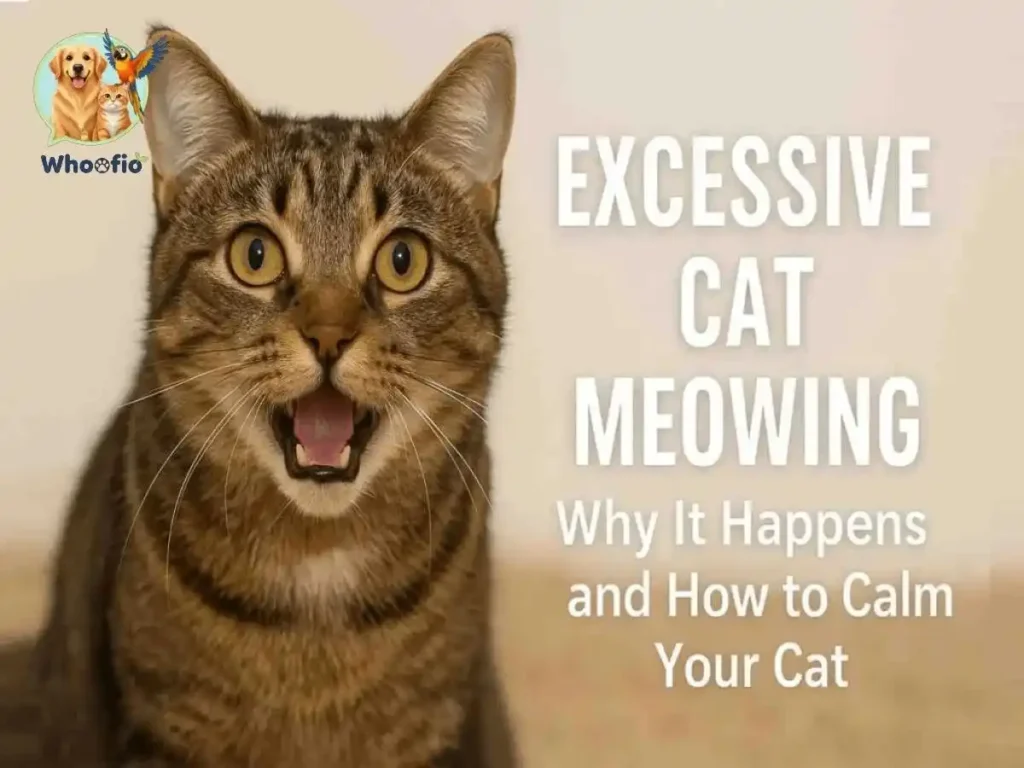
Cats are beloved companions known for their playful nature, curiosity, and unique personalities. One of the ways cats communicate is through vocalizations, most commonly meowing. While meowing is normal, some cats meow more than others, which can be confusing or frustrating for their owners. Understanding why cats meow excessively and how to respond appropriately can help improve your relationship with your feline friend and reduce stress for both of you.
In this article, we’ll explore the reasons behind excessive cat meowing, how to determine if your cat’s behavior is normal, and practical ways to calm your cat.
What Is Excessive Cat Meowing?
Excessive cat meowing refers to vocalizations that are frequent, prolonged, or unusually loud compared to what is typical for your cat. What one owner considers “excessive” may be tolerable to another, so it is somewhat subjective. However, when meowing interferes with your daily life or seems unusual for your cat, it’s worth paying attention.
Cats communicate through different sounds such as meows, purrs, chirps, and even yowls. Meowing is often directed at humans rather than other cats. The frequency and intensity of meowing can vary depending on:
- Breed: Some breeds, like Siamese, Bengals, Sphynx, and Tonkinese, are naturally more vocal.
- Age: Kittens meow more as they are learning to communicate their needs. Older cats may meow excessively due to cognitive or sensory changes.
- Personality: Some cats are simply talkative, while others are quiet.
Excessive meowing can indicate that your cat is trying to communicate something important or is experiencing stress, discomfort, or health issues. Understanding the underlying reason is key to addressing the behavior.
Common Reasons Why Cats Meow Too Much
Excessive cat meowing can stem from several causes. Here are the most common reasons:
1. Attention-Seeking
Cats quickly learn that meowing can get their owner’s attention. If your cat meows and you respond by petting, feeding, or playing with them, they are likely to continue using meows as a tool to get what they want.
Example: A cat may meow near the door when you are busy cooking, knowing it will make you pause and notice them.
Tip:
Avoid responding immediately to attention-seeking meows. Wait until your cat is quiet and then give affection or playtime. This teaches them that calm behavior is rewarded.
2. Hunger or Thirst
Hunger is one of the most common reasons cats meow. Some cats may even lead you to their empty food bowl or meow repeatedly near the kitchen. Thirst can also trigger meowing, especially if water bowls are empty, dirty, or inaccessible.
Tip: Provide clean water and feed your cat at consistent times. Using puzzle feeders or interactive toys can slow eating and keep your cat mentally stimulated.
3. Medical Issues
Excessive meowing may indicate underlying health problems. Cats often hide signs of illness, but changes in vocalization can be an early warning sign. Common medical reasons include:
- Pain or discomfort: Arthritis, injuries, or dental pain can make cats meow more.
- Urinary or kidney problems: Cats may meow near the litter box due to discomfort while urinating.
- Hyperthyroidism: Often seen in older cats, it increases activity and vocalization.
- Cognitive dysfunction: Similar to Alzheimer’s in humans, older cats may meow excessively or appear disoriented.
- Sensory loss: Cats who lose hearing or vision may meow more to seek reassurance.
Tip:
If your cat’s meowing increases suddenly or is accompanied by other symptoms such as changes in appetite, drinking habits, weight, or litter box behavior, consult a veterinarian promptly.
4. Stress and Anxiety
Changes in a cat’s environment can cause stress, leading to more frequent meowing. Moving to a new home, introducing a new pet, or rearranging furniture can make a cat feel insecure.
Signs of stress: Hiding, excessive grooming, dilated pupils, hissing, or aggressive behavior.
Tip:
Create a calm environment with safe spaces for your cat, use pheromone diffusers, and gradually introduce changes. Consistency and patience are important in reducing stress-induced meowing.
5. Boredom or Loneliness
Indoor cats often lack the mental and physical stimulation that outdoor cats naturally get. Bored cats may meow, yowl, or act out to get your attention.
Tip:
Increase playtime using interactive toys like wand toys, balls, or laser pointers. Offer climbing structures or puzzle toys to keep your cat engaged.
6. Mating or Reproductive Behavior
Unspayed females in heat and unneutered males may meow loudly as part of mating behavior. Female cats may vocalize intensely to attract mates, while males may yowl to signal their presence.
Tip: Spaying or neutering your cat not only prevents unwanted litters but can also reduce excessive meowing related to mating instincts.
7. Breed-Specific Vocalization
Some cat breeds are naturally talkative. Siamese, Tonkinese, Bengal, and Sphynx cats often use meowing to express themselves, even without a specific need.
8. Age-Related Changes
Senior cats may meow more due to cognitive decline, sensory deficits, or age-related discomfort. Older cats may also become disoriented at night and meow loudly to find their owner.
Tip: Ensure older cats have easy access to food, water, and litter boxes. Consider night-time routines to keep them calm, such as short play sessions and protein-rich meals before bed.
How to Calm a Cat That Meows Too Much
Once you understand the reason behind your cat’s meowing, you can take steps to reduce excessive vocalization. Here’s how:
1. Meet Your Cat’s Basic Needs
Ensure your cat has food, water, a clean litter box, and a comfortable environment. Sometimes excessive meowing is simply a way to communicate unmet needs.
2. Provide Mental and Physical Enrichment
Interactive toys, climbing structures, and puzzle feeders help keep your cat stimulated. Rotate toys to maintain interest and provide opportunities for hunting-like play.
3. Establish Routines
Cats feel secure when they know what to expect. Regular feeding times, play sessions, and bedtime routines can reduce anxiety and meowing.
4. Avoid Reinforcing Bad Behavior
Do not respond to excessive meowing with attention, food, or play. Wait for quiet moments to reward your cat, teaching them that calm behavior is effective.
5. Use Comforting Tools
Pheromone diffusers, cozy hiding spots, and gentle music can help reduce stress-related vocalization. These tools are especially helpful during changes in the environment or when new pets are introduced.
6. Veterinary Support
If medical issues are suspected, consult a veterinarian. Treatment of underlying health problems often reduces meowing naturally. Behavioral consultations may also help if no medical cause is found.
When to See a Veterinarian
Excessive meowing can indicate serious health issues. Make a vet appointment if your cat:
- Meows loudly and persistently without an obvious reason.
- Shows changes in appetite, drinking, or weight.
- Displays pain, aggression, or disorientation.
- Has sudden changes in meow tone or frequency.
- Exhibits litter box problems or urinary difficulties.
Veterinarians may perform physical exams, blood tests, urinalysis, or behavioral assessments to determine the cause of excessive vocalization. Early detection ensures proper treatment and prevents further complications.
Nighttime Meowing: Tips to Reduce Disturbances
Cats are naturally crepuscular, meaning they are most active at dawn and dusk. Nighttime meowing can be common but frustrating.
Tips to manage night-time meowing:
- Engage in a play session before bed to tire your cat out.
- Feed a protein-rich meal to satisfy hunting instincts.
- Provide puzzle feeders or toys to keep them occupied at night.
- Avoid responding to meows at night unless it’s an emergency.
Consistency is key — responding occasionally reinforces the behavior and prolongs night-time disturbances.
Conclusion
Excessive cat meowing can be challenging, but understanding the reasons behind it is the first step toward resolving the behavior. Cats meow for many reasons, including attention-seeking, hunger, health problems, stress, boredom, reproductive behavior, or age-related changes. By observing your cat carefully, meeting their basic needs, providing mental and physical enrichment, and consulting a veterinarian when necessary, you can reduce excessive meowing and strengthen your bond.
Remember, some cats are naturally vocal, and meowing is their way of communicating. Patience, understanding, and consistency are key to keeping both you and your feline friend happy and calm.