
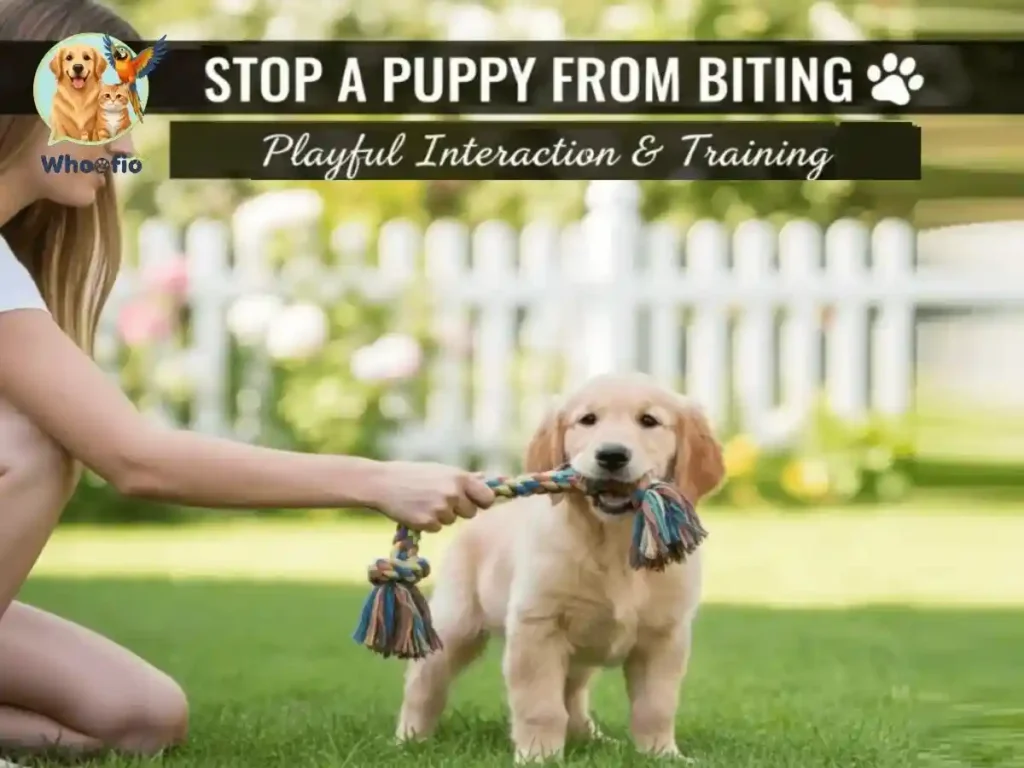
Bringing a new puppy home is one of life’s most joyful experiences. Puppies are adorable, playful, and full of energy. They make us laugh, cuddle, and teach us responsibility. But along with the joy, there is one behavior many pet owners find challenging—puppy biting and nipping.
If you are a new puppy parent, it’s normal to feel frustrated when your puppy nips at your hands, fingers, or clothes. Puppies bite for many reasons: they are teething, exploring the world, playing, or seeking attention. Understanding why puppies bite and learning how to manage it safely is key to raising a happy, well-behaved adult dog.
In this guide, we will explain why puppies bite, how to prevent biting, training techniques, and tips for managing your puppy. By the end, you will have a step-by-step plan to help your puppy grow into a gentle, confident adult dog.
Why Your Puppy Keeps Biting
Puppy biting is completely normal, and almost all puppies do it. Puppies explore the world with their mouths, much like human babies use their hands to touch and feel. There are several main reasons why puppies bite:
1. Puppies Explore the World… With Their Teeth!
Puppies use their mouths to learn about their surroundings. Everything they see, smell, or hear, they often explore with their teeth. When your puppy bites your hands, clothes, or furniture, they are not being bad—they are learning about their environment.
During this stage, puppies are testing:
- How hard they can bite
- What objects are safe to chew
- How people react to their biting
How you respond shapes their understanding of acceptable behavior. For example, if they bite your hand and you yelp or stop interacting, they learn that biting humans ends playtime.
2. Teething and Sore Gums
Puppies go through teething, losing their baby teeth and growing adult teeth. This usually happens between 12 to 28 weeks of age. Teething can be uncomfortable, so puppies chew more to soothe their sore gums.
During this period, biting is not aggression—it’s a natural response to discomfort. Using appropriate teething toys can help your puppy relieve pain while learning what is okay to chew.
3. Play Behavior
Puppies often bite to initiate play. Play biting is natural and an important part of social development. Puppies learn bite inhibition—the ability to control the force of their bite—through interactions with littermates.
For example:
- Puppy A bites too hard during play
- Puppy B yelps and stops playing
- Puppy A learns to bite softer next time
When puppies come home, they try to play with you the same way. Without proper guidance, their bites may be painful, so teaching bite inhibition at home is important.
“Puppy biting is completely normal, but teaching bite inhibition early is key to preventing painful adult bites. Positive reinforcement works far better than punishment.” – Dr. Carley Faughn, Animal Behaviorist
4. Biting When They’re Bored or Hyper
Puppies are full of energy. If they do not get enough physical exercise and mental stimulation, they may resort to biting as a way to burn energy. Puppies may bite hands, fingers, feet, or even furniture out of boredom.
Ensuring your puppy has enough playtime, walks, and enrichment activities can significantly reduce biting behavior.
5. Biting to Get Your Attention
Some puppies bite to get attention. Even if they get negative attention (like yelling), they learn that biting produces a reaction. It is important to ignore biting and reward gentle play so your puppy learns the right way to interact.
6. Stress and Overstimulation Bites
Puppies can bite if they feel nervous, scared, or overstimulated. Signs may include:
- Stiff body posture
- Raised lips or showing teeth
- Growling or snapping
- Avoiding eye contact or moving away
If your puppy shows these signs, give them space, calm them, and redirect with a toy. Do not punish them—punishment can increase fear and aggression.
Step-by-Step Guide: How to Stop a Puppy from Biting
Training your puppy takes patience, consistency, and gentle guidance. Here’s a detailed, practical plan:
1. Gather the Right Supplies
Before you start training, gather the necessary supplies:
- Chew toys – soft rubber toys, ropes, puppy-safe teething toys
- Treats – small, healthy rewards for positive reinforcement
- Playpen or dog gate – for safe time-outs or breaks
- Bitter spray (optional) – to deter chewing on furniture
Having these ready ensures you can redirect your puppy immediately when biting occurs.
2. Teach Bite Inhibition
Bite inhibition is the most important skill a puppy can learn. It teaches them to control how hard they bite.
How to teach bite inhibition:
- When your puppy bites too hard, let out a high-pitched “Ow!” or say “No!” firmly.
- Stop interacting for 10–20 seconds to show that hard biting ends play.
- Redirect your puppy to a toy.
- Praise or give a treat when your puppy bites gently or chews the toy instead.
Over time, your puppy learns that soft bites are rewarded while hard bites stop play.
3. Redirect to Appropriate Chew Items
Always provide your puppy with safe alternatives to chew. Some options include:
- Puppy teething toys
- Rope toys
- Soft rubber balls
- Stuffed toys (supervised only)
When your puppy bites hands or feet, calmly replace them with a toy. Consistency teaches your puppy that toys are for chewing—not people.
4. Use Time-Outs Effectively
If redirection doesn’t work, use short time-outs.
Steps:
- Stop playing immediately.
- Move your puppy to a puppy-proofed area or playpen for 1–2 minutes.
- Avoid yelling or hitting—simply ignore them.
- Return and offer a toy once your puppy calms down.
Time-outs teach puppies that biting causes loss of social interaction, reinforcing good behavior.
5. Reward Good Behavior
Positive reinforcement is crucial. Every time your puppy:
- Plays gently
- Chews toys instead of your hands
- Responds to commands
…reward them with treats, praise, or petting. This strengthens learning and encourages repetition of good behavior.
6. Avoid Punishment
Punishment teaches fear, not learning. Yelling, hitting, or spraying your puppy can:
- Increase anxiety or fear
- Cause aggression
- Damage your bond
Instead, redirect, reward, and ignore unwanted behavior. Puppies respond best to gentle and consistent guidance.
7. Provide Plenty of Exercise and Mental Stimulation
Biting often comes from excess energy. Regular exercise and enrichment help your puppy stay calm.
- Short walks appropriate to age and breed
- Fetch, tug-of-war, or chase games
- Puzzle toys or slow feeders
- Basic training exercises
A tired, mentally stimulated puppy is less likely to bite.
8. Socialize Your Puppy
Socialization is vital for learning proper bite control and communication:
- Attend puppy classes or controlled playdates
- Let your puppy interact with other puppies in supervised settings
- Teach your puppy to read dog body language
Proper socialization reduces fear, stress, and biting problems.
9. Prevent Household Biting
Puppies often chew household items like shoes, clothes, or furniture:
- Keep valuables out of reach
- Use bitter spray on items you don’t want chewed
- Offer plenty of chew toys
- Supervise playtime
Preventing access teaches puppies what is off-limits while reinforcing appropriate chewing.
10. Recognize Signs of Aggression
While most puppy bites are playful, some indicate aggression or resource guarding:
- Growling or snapping outside of play
- Stiff body posture or raised lips
- Biting or snapping around food or toys
If you notice these signs, contact a professional trainer or veterinary behaviorist immediately.
11. Be Patient and Consistent
Training takes time. Puppies don’t learn overnight.
- Expect mistakes and setbacks
- Keep sessions short and consistent
- Reward positive behaviors
- Avoid repeating mistakes (like encouraging nipping for fun)
Consistency is key to creating a well-behaved adult dog.
Advanced Tips to Stop a Puppy From Biting
- Rotate Toys: Keep play interesting by rotating toys daily
- Teach Commands: “Leave it,” “Drop it,” and “Gentle” help control biting
- Schedule Play and Rest: Puppies need 16–18 hours of sleep daily
- Monitor Growth: Puppies’ bites become stronger as they grow, so reinforce bite inhibition continually
Final Thoughts
Puppy biting is completely normal, but addressing it early is essential for safety and bonding. Teaching bite inhibition, providing chew toys, using positive reinforcement, and redirecting energy helps puppies develop into gentle, well-behaved adults.
Remember: patience, consistency, and gentle training are key. With the right approach, your puppy will learn to:
- Play safely
- Interact gently with people and other dogs
- Respect boundaries and rules
A well-trained puppy today becomes a happy, confident dog tomorrow. Start early, stay consistent, and enjoy the journey of raising your furry friend.
Common FAQs About Puppy Biting
Q: At what age do puppies stop biting?
A: Most puppies bite less around 3–6 months, but proper training ensures safe adult behavior.
Q: Are certain breeds more prone to biting?
A: Yes. Stronger breeds like Pit Bulls, Rottweilers, German Shepherds, and Chows may cause more harm if not trained.
Q: How should I respond if my puppy bites me?
A: Never hit or yell. Redirect to a toy, stop playtime, and reward gentle behavior.
Q: When should I seek professional help?
A: If your puppy shows aggression, resource guarding, or snaps without warning, consult a certified trainer or behaviorist.