
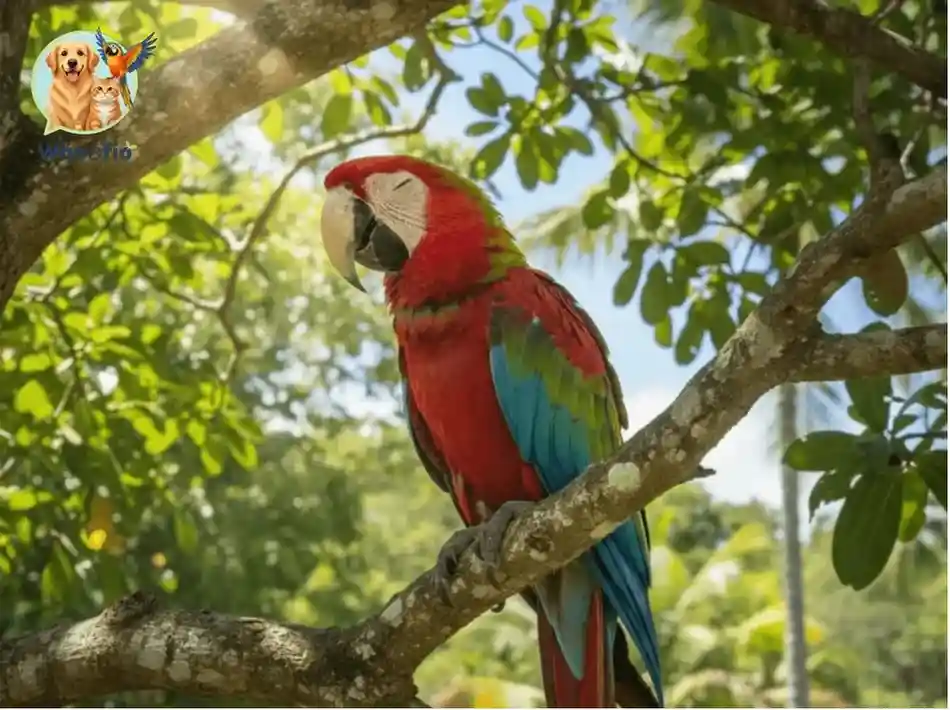
Parrots are some of the most intelligent, social, and vibrant birds in the world. Their colorful feathers, playful personalities, and strong bonds with humans make them cherished pets. But one critical aspect of parrot health is often overlooked — sunlight for your parrot. Natural sunlight is far more than a luxury; it is essential for your bird’s physical, mental, and emotional well-being.
In the wild, parrots spend most of their day under the sun. These birds evolved with daily exposure to natural light. Captive parrots, however, often live indoors, away from direct sunlight, which can lead to severe health problems. From weak bones to feather plucking and behavioral issues, the absence of proper sunlight can negatively affect your parrot’s entire life.
In this article, we’ll explore why sunlight for your parrot is essential, the science behind it, how to provide it safely, and real-life tips from experts.
Why Sunlight Is Essential for Parrots Health
Sunlight plays a critical role in a parrot’s life by influencing many biological processes. One of the most important aspects is ultraviolet (UV) light, which is invisible to humans but essential for birds. UV rays are crucial because they help parrots produce Vitamin D3, a nutrient that supports:
Calcium absorption
Bone strength
Beak development
Healthy feathers
Beyond physical health, sunlight also regulates a parrot’s circadian rhythm — their natural sleep-wake cycle. A proper light-dark cycle ensures your parrot sleeps well, stays active during the day, and maintains a healthy metabolism. Without sufficient sunlight, birds can become lethargic, anxious, or even depressed.
Tip:
“Just like humans, parrots need a daily dose of sunlight to thrive. Even an hour of safe outdoor time can make a significant difference.” — Patty Jourgensen, Avian Health Specialist
Vitamin D3: The Link Between Sunlight and Parrot Health
Vitamin D3 is the nutrient that directly links sunlight to parrot health. Birds cannot produce this vitamin from food alone; they need UV exposure to synthesize it naturally. The process works as follows:
UV-A rays from sunlight are absorbed through the parrot’s preen gland oils.
The bird spreads the oil over its feathers and ingests it while preening.
The liver and kidneys convert it into active Vitamin D3, which supports calcium absorption.
Calcium is vital for:
Strong bones and beaks
Egg formation in female parrots
Preventing skeletal deformities and fractures
Without proper Vitamin D3, parrots may develop weak bones, brittle beaks, soft-shelled eggs, or other severe health problems.
Consequences of Vitamin D3 Deficiency
Lack of sunlight and Vitamin D3 can have serious repercussions for parrots. Common issues include:
Weak bones and skeletal problems – Increased risk of fractures and deformities.
Poor feather quality – Dull, brittle, or even plucked feathers.
Beak abnormalities – Overgrown or deformed beaks.
Behavioral problems – Aggression, excessive screaming, or feather plucking.
Weakened immune system – Making birds more susceptible to infections.
Emotional stress – Depression-like behaviors and lethargy.
“Sunlight is not optional for parrots; it is the cornerstone of their health. Without it, even the best diet cannot prevent nutritional deficiencies.” — Wyld’s Wingdom
Benefits of Sunlight Exposure for Parrots
Physical Health Benefits
Strong Bones and Beaks – Proper UV exposure ensures effective calcium absorption.
Feather Health – Sunlight promotes vibrant colors, smooth feathers, and prevents plucking caused by deficiencies.
Immune System Boost – Birds exposed to sunlight are less prone to infections.
Nutritional Benefits – Sunlight enhances absorption of other vitamins and minerals in their diet.
Behavioral and Mental Benefits
Sunlight is equally important for mental and emotional health. Birds exposed to natural light display:
Reduced stress and anxiety
Better sleep cycles
Less aggressive behavior and screaming
Increased playfulness and curiosity
Enhanced breeding behaviors in mature birds
Visual Benefits
Parrots see the world differently than humans. UV light enhances their vision, helping them:
Identify ripe fruits and vegetables
Recognize mates and flock members
Navigate their environment safely
Without adequate sunlight, parrots may perceive their world as dull, which can negatively affect feeding, social behavior, and exploration.
How Much Sunlight Do Parrots Need?
The required sunlight depends on the species and natural habitat:
Tropical parrots – Around 12 hours of light and 12 hours of darkness.
Non-tropical species – 4–6 hours of sunlight may suffice.
It’s equally important to provide uninterrupted darkness at night to support hormone regulation and overall health.
Tip:
Keep your parrot’s sleep area dark and quiet at night to complement daylight exposure.
Window Light vs. Direct Sunlight
Many parrot owners assume placing a cage by a window is enough. However:
Glass blocks up to 90% of UV rays.
Screens can block about 30% of sunlight.
So while windows offer visual stimulation, they do not provide sufficient UV light for Vitamin D3 production. The best approach is direct sunlight in a safe outdoor space or aviary.
Full-Spectrum Lighting for Indoor Parrots
When outdoor sunlight is unavailable due to weather, climate, or schedule, full-spectrum lighting is the next best solution. These lamps mimic the sun’s rays, including UV-A, which is essential for Vitamin D3 production.
Tips for Using Full-Spectrum Lights:
Choose bulbs with a Color Rendering Index (CRI) of 92 or higher.
Place the lamp 18–24 inches above the cage.
Use a timer to simulate sunrise and sunset.
Adjust exposure based on species-specific needs.
Risks of Sunlight Deficiency
Lack of sunlight can lead to multiple health issues:
Physical problems: Weak bones, dull feathers, beak abnormalities, reproductive issues.
Behavioral issues: Aggression, feather plucking, excessive screaming, anxiety.
Immune system compromise: Higher susceptibility to infections.
Emotional stress: Depression-like behaviors and lethargy.
Sunlight deficiency is a major factor often overlooked by pet owners.
Safety Tips for Outdoor Sun Exposure
Providing sunlight safely is as important as exposure itself:
Use a harness if your parrot is not trained for free-flight.
Avoid predators — hawks, cats, and dogs.
Provide shade to prevent overheating.
Ensure a sturdy aviary or cage using bird-safe woods and metals.
Supervise outdoor time at all times.
Tip:
Never leave your parrot in direct sunlight without supervision — reflective surfaces and overheating can harm your bird.
Best Practices to Maximize Sunlight Benefits
Combine sunlight with a balanced diet rich in fresh fruits, vegetables, and grains.
Maintain daily outdoor or lamp exposure schedules.
Observe behavior and feather quality for improvements.
Keep proper sleep cycles to support hormone regulation and overall health.
“Even indoor UV lamps can transform a bird’s life when combined with proper diet and care. Sunlight is life for parrots.” — Island Parrot Sanctuary
Real-Life Observations
Parrot sanctuaries and expert bird owners provide evidence of sunlight benefits:
Feather brightness: Birds exposed to natural light have vivid, iridescent feathers.
Behavioral improvement: Less biting, screaming, and feather plucking.
Health recovery: Birds recover from malnutrition or weak bones with proper sunlight or UV lighting.
UV lamps indoors: Birds show significant improvements in behavior, appetite, and feather condition within days.
Conclusion
Sunlight is essential for parrots health. It supports:
Physical development
Immune function
Feather quality
Vision
Mental well-being
Natural behaviors
While full-spectrum lamps help indoor birds, nothing fully replaces direct natural sunlight. Responsible parrot owners can provide safe outdoor time, proper lighting, and a balanced diet to help their feathered friends thrive.
By understanding and prioritizing sunlight for your parrot, you can give your pet a longer, happier, and healthier life.
FAQ
Can parrots get too much sunlight?
Yes. Too much direct sunlight can cause overheating or sunburn. Always provide shade and monitor your bird.Can window sunlight replace outdoor exposure?
No. Glass blocks most UV rays, so direct sunlight or full-spectrum lamps are necessary.How do I know if my parrot is getting enough UV?
Healthy bones, shiny feathers, good appetite, and calm behavior indicate adequate UV exposure.Are all parrot species the same in sunlight needs?
No. Tropical species typically need 12 hours of light, while others may require less.Can full-spectrum lighting fully replace natural sunlight?
It helps indoors but cannot fully replace the benefits of real sunlight.