
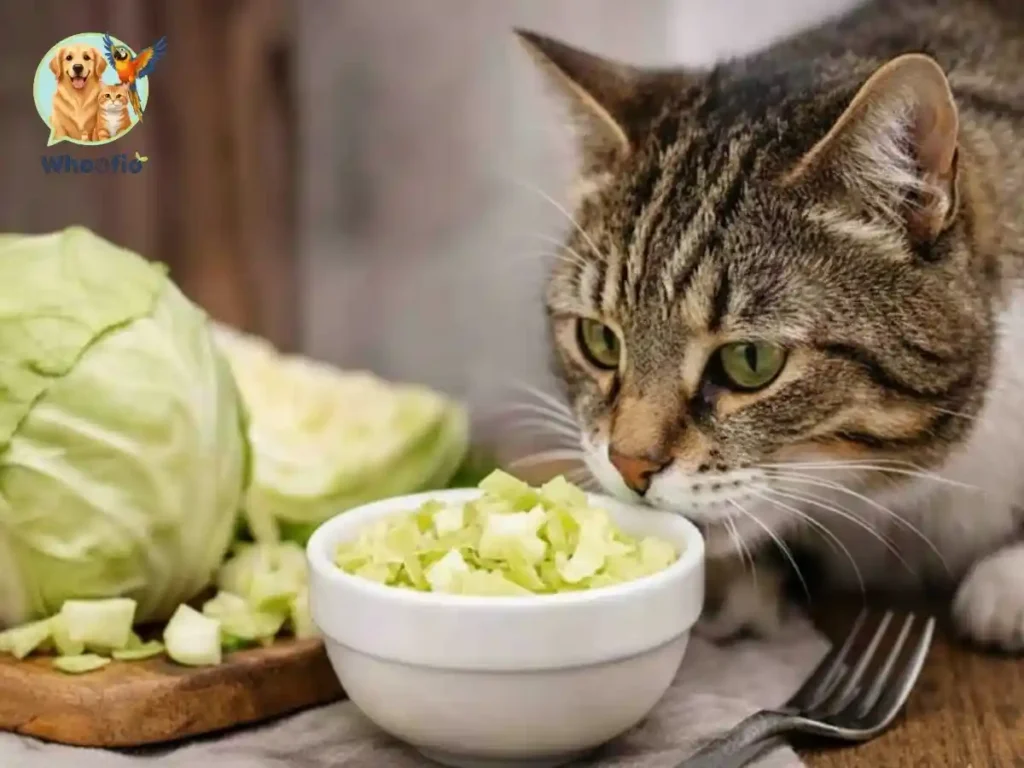
Welcome to our detailed guide on a common question among cat owners: Can cats eat cabbage? Whether you’re a new cat parent or simply curious about safe foods for your feline friend, this guide will help you understand everything about cabbage and cats. Cabbage is a common vegetable packed with nutrients, and some cat owners wonder if it can be a healthy treat for their pets. But like any human food, it comes with precautions.
This article explains in simple language the benefits, preparation methods, and potential risks of feeding cabbage to cats, so you can make safe choices for your beloved pet.
Can Cats Eat Cabbage?
The short answer is yes—cats can eat cabbage. However, like any human food, it should be given in moderation and prepared properly. Cabbage contains vitamins K and C, fiber, and antioxidants, all of which can support your cat’s overall health.
Start Slowly: Introduce a small, plain piece first. Observe your cat for any signs of digestive upset or allergies.
Cooked vs. Raw: Lightly steamed or boiled cabbage is easier to digest than raw cabbage. Avoid seasoning, oils, or salt.
Supplement, Not Staple: Cats are obligate carnivores, meaning their main diet must be meat-based. Cabbage should only be an occasional treat.
Always consult your veterinarian before adding new foods to your cat’s diet, especially if they have pre-existing health conditions.
Nutritional Value of Cabbage for Cats
Cabbage is more than just a crunchy vegetable—it’s packed with nutrients that can benefit your cat in small amounts. Here’s a breakdown:
Low-Calorie Treat: Approximately 25 calories per 100 grams, making it a healthy snack.
Fiber: Around 2.5 grams per 100 grams, supporting digestion and regular bowel movements.
Vitamin K: 76 micrograms per 100 grams, promoting healthy blood clotting and bone health.
Vitamin C: 36.6 milligrams per 100 grams, providing antioxidant benefits even though cats can synthesize their own vitamin C.
Minerals: Contains potassium (170 mg per 100 g) and magnesium (12 mg per 100 g), supporting overall well-being.
While cabbage has nutritional value, remember that cats thrive on diets high in protein. Cabbage is a supplement, not a replacement.
Best Practices for Safely Preparing Cabbage for Cats
To ensure your cat enjoys cabbage without any issues, follow these guidelines:
Proper Cleaning and Preparation
Wash Thoroughly: Rinse under cold water to remove pesticides, dirt, or harmful residues.
Cook Lightly: Steam or boil cabbage to soften it, making it easier to digest. Avoid adding salt, oils, or spices.
Serving Size and Frequency
Small Portions: Only offer a few small bites at a time. Large quantities can cause digestive upset.
Occasional Treat: Cabbage should be given once in a while, not daily.
Monitoring
Watch your cat after feeding cabbage for the first time. Signs of digestive upset or allergies include vomiting, diarrhea, itching, or swelling. Consult your veterinarian if you notice any adverse reactions.
By following these simple steps, you can safely introduce cabbage as a healthy treat while keeping your cat happy and healthy.
3 Creative and Healthy Cabbage Dishes for Cats
To make cabbage more appealing, you can try incorporating it into small, cat-friendly dishes. Here are three ideas:
Cabbage Crunch Delight:
Lightly steamed shredded cabbage mixed with tender chicken pieces.
Benefits: Fiber for digestion, lean protein for muscle maintenance, and mild flavor cats enjoy.
Savory Cabbage Mini Bites:
Small patties made with finely ground fish and steamed cabbage.
Benefits: Omega-3 fatty acids support a healthy coat and reduce inflammation, while cabbage adds antioxidant properties.
Gentle Cabbage Soup:
Finely chopped cabbage in a clear chicken broth.
Benefits: Hydrating, gentle on the stomach, and provides essential vitamins K and C.
These dishes can add variety to your cat’s diet while combining nutrition with flavor. Always introduce new recipes gradually and in small portions.
Things to Consider While Feeding Cabbage to Cats
Even though cabbage can be safe, there are several considerations to keep in mind:
Moderation is Key: Too much cabbage can cause bloating or diarrhea due to its high fiber content.
Cook Before Serving: Raw cabbage is harder for cats to digest. Steaming or boiling is best.
Introduce Gradually: Start with tiny amounts to see how your cat reacts.
Avoid Seasonings: Garlic, onions, salt, and spices can be toxic. Keep it plain.
Check for Allergies: Watch for itching, swelling, or digestive distress.
Ensure Freshness: Only use fresh, clean cabbage to avoid contamination.
Balance the Diet: Cabbage should supplement, not replace, a meat-based diet.
Consult Your Vet: Especially important if your cat has health issues or dietary restrictions.
By keeping these tips in mind, cabbage can be a safe and occasional addition to your cat’s meals.
Different Vegetables Cats May Enjoy
Cats are primarily carnivores, but some vegetables can be offered as healthy treats. Here are a few options:
Carrots: Slightly sweet and crunchy, rich in beta-carotene for vision and skin health.
Green Beans: Low in calories and high in fiber, supporting weight management.
Pumpkin: Soft texture and mild sweetness, excellent for digestion and hairball control.
Zucchini: Bland and easy to digest, low in calories, provides essential vitamins.
Peas: Small, slightly sweet, often included in commercial cat foods; good source of protein and fiber.
Broccoli: High in fiber and vitamin C; steam before feeding to soften it.
Remember, each cat is different. Some may love vegetables, others may ignore them. Introduce new foods slowly and monitor for any adverse reactions.
Risks and Side Effects of Feeding Cabbage to Cats
While cabbage can be a safe treat, overfeeding or improper preparation can cause problems:
Gastrointestinal Upset: Too much fiber may lead to bloating, gas, or diarrhea.
Allergic Reactions: Skin irritations, itching, or digestive issues can occur.
Thyroid Function Disruption: Large amounts of cabbage contain goitrogens, which may interfere with thyroid function.
Nutrient Absorption Interference: Excessive cabbage can hinder the absorption of essential nutrients.
Choking Hazard: Large or tough pieces may cause choking or blockage.
By following safe preparation and moderation guidelines, these risks can be minimized.
Conclusion
Cabbage can be a safe and healthy treat for cats when offered occasionally and in small, properly prepared portions. It provides fiber, vitamins, and antioxidants, which can support digestion and overall health. However, cats are obligate carnivores, so their diet should remain primarily meat-based. Observing your cat’s reaction and consulting a veterinarian before introducing any new food is always essential. For owners wondering, yes—cats can eat cabbage, but it should be treated as a supplement, not a staple. By offering cabbage thoughtfully, you can enhance your cat’s meals and provide a bit of variety safely, contributing to their long-term well-being and happiness.