
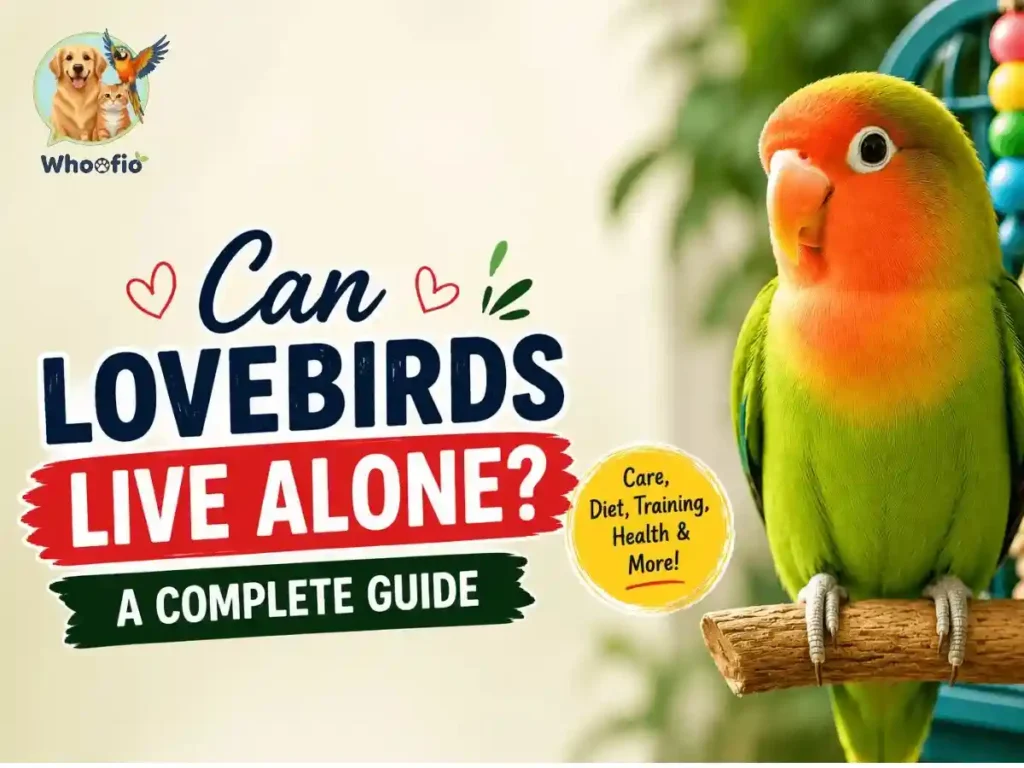
One of the biggest myths about lovebirds is that they must always live in pairs. Many people believe a single lovebird will become lonely or unhappy without another bird. In reality, that is not always true.
A lovebird can live a happy and healthy life alone if it receives enough attention, interaction, and mental stimulation from its owner. In many cases, a single lovebird becomes more closely bonded with its human family because it relies on them for companionship.
When two lovebirds are kept together, they often form a strong bond with each other. While this can be wonderful to watch, it may reduce their interest in interacting with people. For owners who want a tame and affectionate pet bird, a single lovebird is often the better choice.
However, if you work long hours and cannot spend much time with your bird, a pair may help provide companionship. The important thing is ensuring that every lovebird receives enough social interaction and enrichment.
Housing Requirements
Providing the right living environment is essential for your lovebird’s health and happiness.
Although lovebirds are small, they are active birds that need room to move, climb, and play. A cage that is too small can lead to boredom, stress, and behavioral problems.
For a single lovebird, a cage measuring at least 18 x 18 x 18 inches is recommended. However, bigger is always better. A wider cage is usually preferable to a taller one because it allows more room for flying and movement.
Essential Cage Accessories
A well-equipped cage should include:
- Multiple perches of different sizes
- Food and water dishes
- Safe chew toys
- Shredding toys
- Swings and climbing accessories
- Foraging toys
Rotating toys regularly helps keep your bird mentally stimulated and prevents boredom.
Choosing the Right Location
Where you place the cage matters just as much as the cage itself.
Keep your lovebird away from:
- Kitchens
- Non-stick cookware fumes
- Cigarette smoke
- Scented candles
- Air fresheners
- Drafty windows
Birds have extremely sensitive respiratory systems. Even fumes that seem harmless to humans can be dangerous for them.
Place the cage in an area where your family spends time so your bird can feel included in daily activities.
Diet and Nutrition
A healthy diet is one of the most important factors in determining how long and how well your lovebird lives.
Unfortunately, many owners still rely heavily on seeds. While seeds are enjoyed by lovebirds, they should not make up the entire diet. A seed-only diet can lead to obesity, vitamin deficiencies, liver problems, and other health issues.
What Should Lovebirds Eat?
A balanced diet should include:
High-Quality Pellets
Pellets should form the foundation of your lovebird’s diet. They provide balanced nutrition and help prevent selective eating habits.
Fresh Vegetables
Vegetables should be offered daily.
Excellent choices include:
- Kale
- Spinach
- Broccoli
- Carrots
- Bell peppers
- Peas
- Corn
Vegetables provide important vitamins, minerals, and fiber.
Fresh Fruits
Most lovebirds enjoy fruit as an occasional treat.
Safe fruits include:
- Apples
- Pears
- Bananas
- Mangoes
- Strawberries
- Blueberries
Always remove seeds and pits before serving.
Healthy Treats
Treats can be used for training and bonding. Offer them in moderation to avoid excessive weight gain.
Foods That Are Dangerous
Never feed your lovebird:
- Avocado
- Chocolate
- Alcohol
- Caffeine
- Onion
- Garlic
- Salty foods
- Sugary snacks
These foods can cause serious health problems and may even be fatal.
Fresh water should always be available and changed daily.
Bonding With Your Lovebird
Building trust takes patience, especially during the first few weeks after bringing a lovebird home.
Moving to a new environment can be stressful for any bird. Give your lovebird time to adjust before attempting frequent handling.
Start by sitting near the cage and talking softly. Allow the bird to become comfortable with your presence. Once it appears relaxed, you can begin offering treats through the cage bars.
Gradually introduce your hand inside the cage and encourage your bird to step onto a perch or your finger.
The Importance of Daily Interaction
Lovebirds thrive on attention.
Spending time together every day helps strengthen your bond and prevents loneliness. Activities can include:
- Talking to your bird
- Hand-feeding treats
- Training sessions
- Playing with toys
- Out-of-cage exercise
Consistency is key. Even short daily interactions can have a positive impact on your relationship.
Training Your Lovebird
Lovebirds are intelligent birds that can learn many behaviors through positive reinforcement.
The first command most owners teach is the “step up” command. This teaches the bird to step onto your finger or hand when asked.
Reward desired behaviors with praise or small treats. Avoid punishment, as it can damage trust and create fear.
Training sessions should be:
- Short
- Positive
- Consistent
- Reward-based
Over time, many lovebirds learn tricks such as:
- Stepping up
- Turning around
- Fetching small objects
- Ringing bells
- Flying to their owner
Training not only improves behavior but also provides valuable mental stimulation.
Exercise and Mental Stimulation
Lovebirds are naturally active birds. They need daily opportunities to exercise both physically and mentally.
Allowing your bird to spend supervised time outside the cage each day is highly beneficial. This helps strengthen muscles, improve confidence, and reduce boredom.
Mental stimulation is equally important.
Lovebirds enjoy:
- Puzzle toys
- Foraging activities
- Climbing structures
- Shredding toys
- Interactive play
A bored lovebird may develop unwanted behaviors such as screaming, feather plucking, or aggression.
Keeping their minds active helps prevent these problems.
Health and Common Problems
With proper care, lovebirds are generally hardy birds. However, they can still develop health issues.
Some of the most common health concerns include:
Feather Plucking
This occurs when a bird pulls out its own feathers. Causes may include boredom, stress, poor nutrition, or illness.
Respiratory Infections
Birds can develop respiratory problems when exposed to poor air quality or infectious diseases.
Symptoms may include:
- Sneezing
- Difficulty breathing
- Nasal discharge
- Tail bobbing
Nutritional Deficiencies
Poor diets can lead to weak immune systems, poor feather quality, and other health problems.
Egg Binding
Female lovebirds may occasionally experience difficulty laying eggs. This is a serious condition requiring immediate veterinary care.
Beak and Nail Problems
Overgrown beaks or nails may need professional trimming by an avian veterinarian.
Signs Your Lovebird May Be Sick
Birds naturally hide signs of illness because showing weakness can make them vulnerable in the wild.
As a result, owners should watch carefully for warning signs such as:
- Fluffed feathers
- Reduced activity
- Loss of appetite
- Changes in droppings
- Labored breathing
- Weight loss
- Unusual behavior
If you notice any of these symptoms, contact an avian veterinarian as soon as possible.
Lifespan of a Lovebird
One of the biggest commitments of owning a lovebird is its lifespan.
With proper care, most lovebirds live between 12 and 20 years. Some individuals may even live longer.
Factors that influence lifespan include:
- Diet quality
- Exercise
- Veterinary care
- Housing conditions
- Mental stimulation
- Genetics
Providing a healthy environment from the beginning greatly increases the chances of a long and happy life.
Fun Facts About Lovebirds
Lovebirds are fascinating birds with many interesting traits.
Here are some fun facts:
- Lovebirds belong to the parrot family.
- There are nine recognized species.
- Most species originate from Africa.
- They reach sexual maturity at around 10 months of age.
- Their name comes from their strong social bonds.
- They can sleep while hanging from cage bars.
- Some wild populations now live outside their native range.
- They are among the smallest pet parrots commonly kept in homes.
These unique characteristics help explain why lovebirds are loved by bird enthusiasts around the world.
Is a Lovebird Right for You?
Lovebirds can make incredible companions, but they are not the perfect pet for everyone.
Before bringing one home, ask yourself whether you can provide:
- Daily interaction
- Regular exercise
- Proper nutrition
- Veterinary care
- Mental stimulation
- Long-term commitment
A lovebird may be small, but it requires significant time and attention. Neglected birds can become unhappy, aggressive, or develop behavioral problems.
However, for owners who are willing to invest the effort, the rewards are tremendous. A well-socialized lovebird can become a loyal companion that provides years of affection, entertainment, and companionship.
Conclusion
Lovebirds are proof that great things come in small packages. Their bright colors, playful behavior, intelligence, and affectionate nature make them one of the most rewarding pet birds in the world. While they require daily attention, proper nutrition, and a long-term commitment, the bond they form with their owners is truly special. Whether you are a first-time bird owner or an experienced avian enthusiast, a well-cared-for lovebird can bring joy, laughter, and companionship into your life for many years. With the right care and understanding, these charming little parrots can become cherished members of the family.