
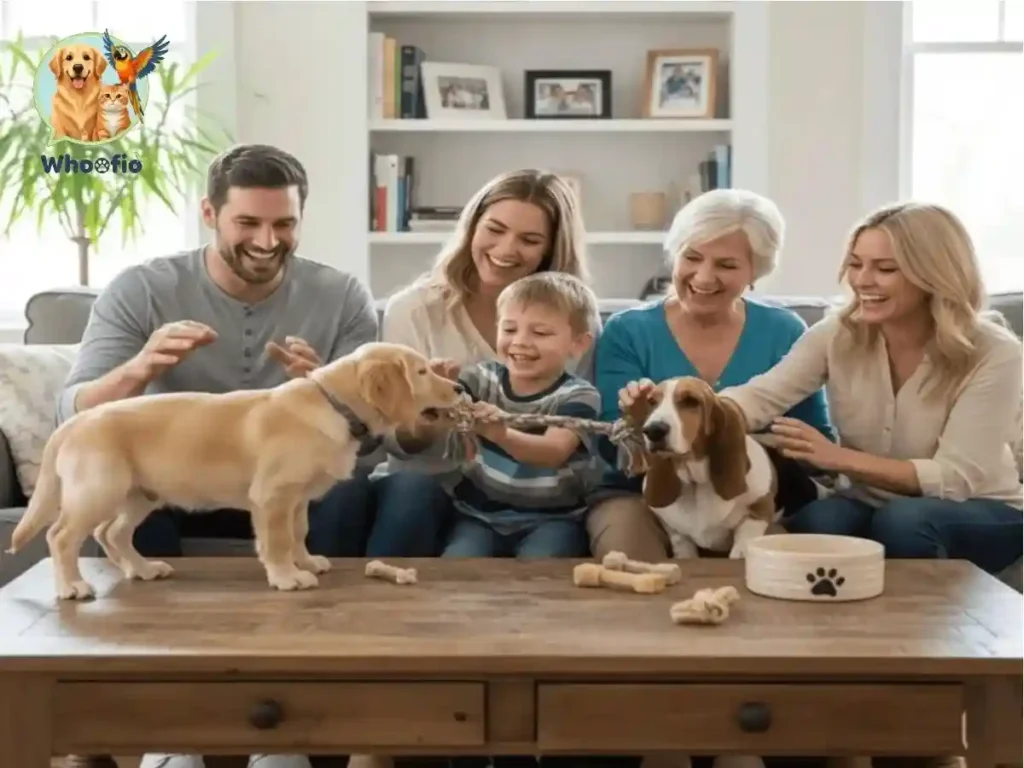
Pets bring love, happiness, and companionship to our lives. Among all pets, dogs are the most popular because they are loyal, friendly, and full of love. But choosing a pet dog for your family is not always easy. Every dog has a different personality, energy level, and care needs.
As a new pet owner, it is important to think about your family’s lifestyle, living space, and daily routine before bringing a dog home. This guide will help you understand the key things to consider so you can pick a dog that fits your family perfectly and enjoy a happy, healthy life together.
7 Major Factors to Consider When Choosing a Pet Dog for Your Family
When you plan to bring a pet into your home, it is important to think about a few main things. These points will help you prepare and make the right choice for your family.
1. Evaluate Your Experience with Pets
Before you decide to get a dog, think about how much experience you have with pets. This will help you choose a pet that matches your skills and comfort level.
Your Past Experience:
Think about any pets you had before. If you are a new pet owner, it may take some time to understand how to care for a pet properly. Starting with simple pets like fish, turtles, or hamsters can help you learn basic care before moving to a dog.
Roger Caras once said,
“If you don’t own a dog, at least one, there may not be anything wrong with you, but there may be something wrong with your life.”
This quote tells how special dogs are in a person’s life.
Your Knowledge About Pet Care:
It is important to know the basics of caring for a pet. Before getting a dog, try learning simple things such as:
- When and how much to feed a dog
- How to brush or groom them
- Basic training like sitting or staying
- Common health problems to watch for
Doing a little research before bringing a dog home makes everything easier and helps you feel more confident.
For beginners, it is better to start with an easy pet and slowly move to pets that need more time and care, like dogs. This way, you can learn step by step and enjoy the experience without feeling stressed.
2. Match Your Pet Dog’s Personality with Your Family
Choosing a dog that fits your family’s lifestyle is very important. Every dog has a different personality, just like people. When the dog’s nature matches your family, life at home becomes more peaceful and happy.
Energetic Dogs:
Some dogs are full of energy. They love running, playing, and staying active.
Examples include:
- Labrador Retrievers
- Border Collies
These dogs need outdoor time, long walks, and lots of play. They are great for families who enjoy outdoor fun and daily activity.
Calm and Quiet Dogs:
Some dogs are soft, peaceful, and like to rest more.
Examples include:
- Bulldogs
- Basset Hounds
These dogs enjoy slow walks and relaxed home time. They are a good choice for families who prefer quiet evenings and less activity.
When your dog’s personality matches your family’s habits, everyone feels more comfortable. It helps build a strong bond and creates a calm, happy home for both your family and your dog.
3. Adoption vs. Purchase: Making an Ethical Choice
When you decide to bring a dog into your home, you can either adopt from a shelter or buy from a breeder. Both options have benefits, but it’s good to think about the ethical side too.
Adoption:
Adopting a dog from a shelter is a kind and helpful choice.
- You give a homeless dog a second chance at life.
- You help reduce the number of stray animals.
- Many shelter dogs are loving, friendly, and waiting for a safe home.
Adoption not only changes the dog’s life—it also makes you feel good for helping an animal in need.
Buying:
Buying from a breeder is another option, but you must be careful.
- A responsible breeder focuses on the dog’s health, safety, and good behaviour.
- They make sure puppies grow up in clean, healthy environments.
But some breeders are not ethical. That’s why it’s important to research well, ask questions, and make sure the breeder truly cares for their dogs.
Whether you adopt or buy, your choice affects animal welfare. A responsible decision helps your dog live a safe, happy, and healthy life. Making an ethical choice also supports better care and kindness for all animals.
4. Consider Allergies and Sensitivity Issues
When choosing a pet, it is important to think about allergies. Some people in your family may react to pet fur, dander, or even saliva. To keep everyone comfortable at home, you should look at a few safe options.
Hypoallergenic Dogs:
Some dog breeds are known to be better for people with allergies.
Examples include:
- Poodles
- Bichon Frises
These dogs have hair instead of normal fur. This means they shed less and spread fewer allergens around the house. They are not completely allergy-free, but they are easier for sensitive people to live with.
Alternative Pets:
If allergies are a big problem, you can choose pets that do not produce dander at all, such as:
- Fish
- Reptiles (like turtles or lizards)
These pets are good choices for families with strong allergies because they do not shed fur and cause fewer reactions.
Choosing a hypoallergenic dog or a low-allergen pet helps reduce allergy symptoms. It also makes your home more comfortable and safe for everyone. This way, you can enjoy the love and company of your pet without affecting anyone’s health.
5. Considering Size and Living Space
When choosing a dog, it is important to think about the size of your home. Dogs need enough space to move, rest, and feel safe. A good match between your living space and your dog helps both you and your pet live comfortably.
Small Spaces:
If you live in a small home or an apartment, choose pets that do not need a lot of room.
Examples include:
- Chihuahuas
- Pomeranians
- Small pets like hamsters
These pets can stay happy indoors if you give them short walks, toys, and daily playtime. They do not need large outdoor areas.
Large Spaces:
If you have a bigger house or a yard, you can choose more active and larger dog breeds, such as:
- Golden Retrievers
- German Shepherds
These dogs enjoy running, playing, and moving around freely. They feel better in homes with open space where they can stretch, explore, and stay active.
Choosing a dog that fits your home size helps them stay calm, happy, and healthy. It also keeps your home peaceful and comfortable for everyone. Thinking about your living space makes life easier for both your family and your new pet.
6. Estimate Budget for Your New Pet Dog
Owning a dog costs money, both at the start and as time goes on. It is important to plan your budget so you can take good care of your pet without stress.
Start-Up Costs:
When you first bring a dog home, you need to pay for a few basic things:
- Adoption fees (these may include first vet check-up, vaccines, spaying or neutering, and microchipping)
- Food and water bowls
- A comfortable bed
- Toys for play and training
- Grooming tools like brushes, shampoo, or nail clippers
These items help your dog settle in and feel at home.
Ongoing Costs:
After the first setup, you will have monthly or yearly expenses. These include:
- Quality dog food based on your dog’s age, size, and health
- Regular vet check-ups to keep your dog healthy
- Vaccinations and medicines
- Grooming, such as baths, nail trimming, or professional grooming when needed
- Emergency care, because sudden health issues can happen anytime
Planning for these costs helps you provide steady care without financial worries. Taking care of a dog is a long-term commitment. When you plan both the starting and ongoing costs, you can enjoy your time with your dog and stay financially comfortable. Good budgeting leads to better care, a happier dog, and a peaceful home.
7. Evaluate Your Daily Routine and Schedule
It is important to choose a dog that matches your daily routine. When your lifestyle fits your dog’s needs, your pet stays healthy, calm, and happy. Here are a few things to think about before bringing a dog home.
Daily Routine:
Dogs need a regular plan every day.
This includes:
- Feeding at the same times
- Daily exercise
- Grooming when needed
If you have a busy schedule, you must make sure you still have time for these basic needs.
Activity Level:
Different dog breeds have different energy levels.
- Border Collies like lots of activity, playtime, and long walks.
- Bulldogs enjoy a slower, quieter life with short walks and more rest.
Pick a dog that fits the energy level of your home. This makes life easier for both you and the dog.
Living Space
Your home size also matters.
- Bigger dogs need more room to move freely.
- Smaller dogs can live well in apartments if they get enough exercise and mental play.
Choosing a dog that suits your routine, energy level, and home space helps your pet live a better, healthier life. This thoughtful choice also makes your bond stronger and creates a happy life together with your furry friend.
Conclusion:
Getting a pet dog for your family is a big decision that brings both happiness and responsibility. By thinking about your family’s lifestyle, daily routine, and living space, you can choose the right companion who fits perfectly into your home. You can adopt from a shelter to give a dog a second chance at a loving life, or select a responsible breeder to ensure healthy and well-cared-for puppies. Always consider allergies and the space available at home. Caring for a dog every day is a lifelong commitment, but the joy, love, and companionship they bring make it truly rewarding. Choosing the right pet dog for your family ensures a happy, loving bond that lasts for years.