
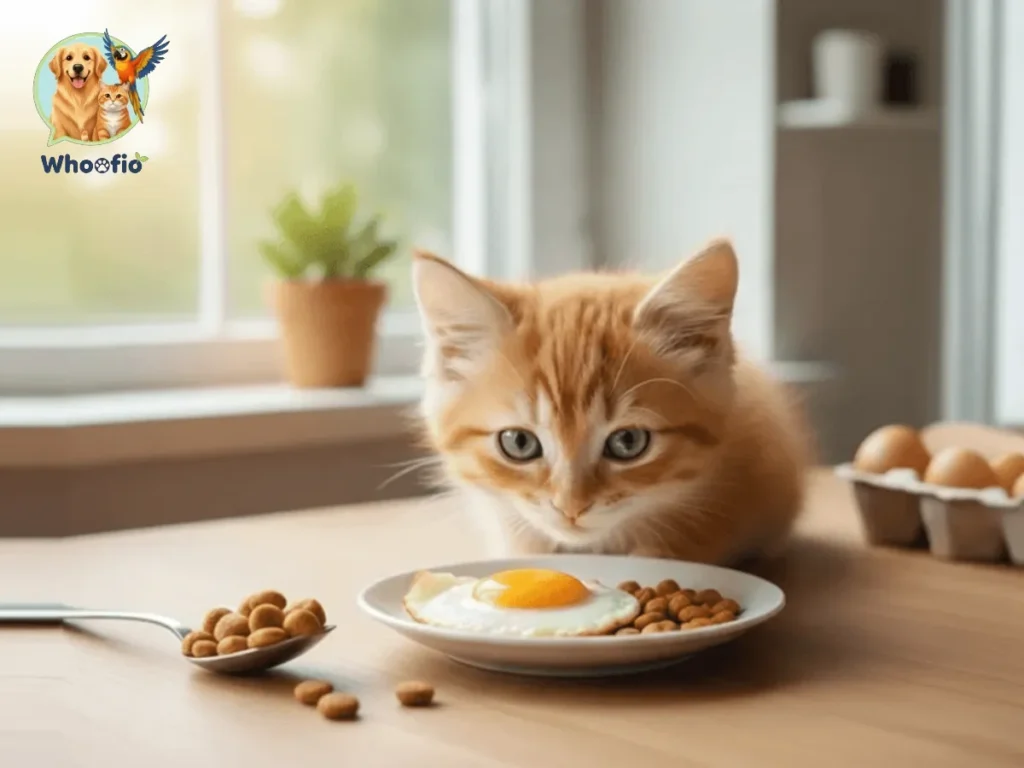
Kittens are small, delicate, and full of curiosity. Many new kitten owners naturally wonder, “Can kittens eat egg yolks?” because eggs are considered nutritious and easily available. Egg yolks contain essential protein, healthy fats, vitamins, and minerals that can benefit a kitten’s growth, but they must be fed carefully.
In this detailed guide, you will discover the benefits, potential risks, proper feeding methods, safe portion sizes, and expert recommendations for including egg yolk in a kitten’s diet. By the end, you will know exactly how and when to feed egg yolk to ensure a healthy kitten.
Can Kittens Eat Egg Yolks?
The short answer is yes—kittens can eat egg yolks, but only occasionally, in very small amounts, and only when cooked thoroughly. Egg yolks contain high-quality protein, fats, and vitamins that support muscle growth, brain development, and overall health in kittens.
However, their digestive system is still developing, which means that too much fat or improperly prepared eggs can lead to stomach upset or diarrhea.
Feeding egg yolk should always be treated as an occasional treat, never as a main food. A complete, high-quality kitten diet remains the most important part of their nutrition.
Why Do People Consider Feeding Egg Yolks to Kittens?
Eggs are often called “nature’s multivitamin” because they pack multiple nutrients into one food. Many pet owners believe that giving egg yolks to kittens can support healthy growth, provide energy, and contribute to brain development.
Eggs are also convenient and inexpensive, as most households already have them on hand. However, while eggs are nutritious, kittens have specific dietary requirements that differ from adult cats and humans. Understanding the nutritional content of egg yolks helps pet owners make an informed decision about whether cooked egg yolk for kittens is appropriate.
Nutritional Value of Egg Yolk for Kittens
Egg yolks contain several nutrients that may benefit a kitten’s growth when given in small, controlled amounts:
1. High-Quality Protein
Protein is essential for kittens because it helps build muscles, tissues, and organs. The protein in egg yolk is easily digestible, making it suitable as a supplemental treat.
2. Healthy Fats
Fats provide energy and support brain development. Growing kittens require more fat than adult cats, but overfeeding fatty foods like egg yolks can lead to digestive upset, diarrhea, or weight gain.
3. Vitamins
Egg yolks are rich in Vitamins A, D, E, and K:
- Vitamin A: Supports eye health and boosts immunity
- Vitamin D: Aids in proper bone development
- Vitamin E: Acts as an antioxidant and supports cell health
Vitamin K: Important for blood clotting
4. B Vitamins
B6, B12, riboflavin, and folate help with metabolism, brain function, and energy production, which are vital for growing kittens.
5. Minerals
Iron, calcium, phosphorus, and selenium help maintain strong bones, red blood cell health, and immunity.
While egg yolks provide these nutrients, kittens already receive essential vitamins and minerals from complete kitten food. Adding egg yolk should always be supplementary, not a replacement for their regular diet.
Potential Risks of Feeding Egg Yolk to Kittens
Even though egg yolks contain essential nutrients, there are risks to consider when offering them to kittens:
1. High Fat Content
Egg yolks are naturally high in fat. While kittens need fat for energy and development, too much can lead to:
- Diarrhea
- Vomiting
- Stomach discomfort
- Weight gain
- Pancreatitis in sensitive kittens
2. Raw Egg Risks
Feeding raw egg yolk can be dangerous:
- Risk of salmonella infection
- Avidin in raw egg whites can prevent absorption of biotin
- Bacterial contamination
Cooking the egg yolk properly removes these risks entirely, making it safe for kittens in small amounts.
3. Food Allergies
Some kittens may be allergic to eggs. Possible signs include:
- Itchy skin
- Redness
- Excessive scratching
- Loose stool
- Vomiting
If any of these occur, stop feeding egg yolk immediately and consult a veterinarian.
4. Nutrient Imbalance
Egg yolks are not a complete food. Overfeeding can cause nutrient imbalance, which may interfere with a kitten’s growth and overall health.
How to Safely Feed Egg Yolk to Kittens: A Step-by-Step Guide
Feeding egg yolk to kittens can be beneficial if done safely and in moderation. Egg yolks are rich in healthy fats, vitamins, and nutrients that support growth—but kittens have delicate stomachs, so correct preparation is essential. Below is a detailed guide explaining not just the steps, but also the reasons behind each one.
Step 1: Choose Fresh, High-Quality Eggs
Fresh eggs lower the risk of harmful bacteria such as Salmonella, which can cause severe digestive issues in kittens.
- Always pick clean, uncracked eggs.
- Store them in the refrigerator to maintain freshness.
Using high-quality eggs ensures your kitten receives safer, nutrient-rich food.
Step 2: Cook the Egg Thoroughly
Cooking is extremely important because raw eggs can carry bacteria and raw egg whites contain avidin, a protein that blocks biotin (a vital vitamin for skin, coat, and digestion).
- Boiling, steaming, or scrambling the yolk kills harmful pathogens.
- Never add salt, butter, spices, or oil, since kittens’ digestive systems cannot handle added seasonings.
Cooking makes the yolk easier to digest and safer for young kittens.
Step 3: Cool Before Serving
Kittens have sensitive mouths, and hot food can burn their tongue or throat.
Let the cooked yolk cool to room temperature before serving. This also makes the texture softer and more appealing to kittens.
Step 4: Offer Only the Yolk
Egg yolk is packed with:
- Healthy fats
- Vitamin A
- Vitamin D
- Vitamin E
Choline - Essential fatty acids
These nutrients support your kitten’s growth, brain development, immune system, and energy levels.
Egg whites should be avoided because:
- Raw whites contain avidin, which blocks biotin.
- Even cooked whites can be harder to digest for very young kittens.
The yolk alone is the safest choice.
Step 5: Start With a Tiny Portion
A kitten’s stomach is very small and sensitive.
Start with ½ teaspoon to 1 teaspoon only.
This small amount helps you:
- Avoid overfeeding
- Monitor for allergies
- Prevent stomach upset
Too much egg yolk can lead to diarrhea, vomiting, or fat-related digestive issues.
Step 6: Mix With Regular Food
Mixing the yolk into the kitten’s regular wet or dry food helps:
- Improve digestion
- Prevent flavor shock
- Make the transition smooth
Kittens are naturally cautious with new foods, so blending it reduces the chance of rejection.
Step 7: Observe Carefully
After feeding egg yolk, keep an eye on your kitten for the next 24 hours.
Watch for:
- Vomiting
- Diarrhea
Gas or bloating - Excessive scratching (possible allergy)
Lethargy
If any symptoms appear, stop feeding egg yolks immediately. Every kitten reacts differently, and some may be sensitive to new foods.
How Often Can Kittens Eat Egg Yolk?
Egg yolk should be offered once every 1–2 weeks as a treat. Overfeeding can disrupt a kitten’s nutritional balance. The majority of a kitten’s diet should consist of:
- High-protein kitten kibble
- Kitten-specific wet food
- Fresh water
This ensures kittens get all the nutrients needed for rapid growth.
Best Alternatives to Egg Yolk for Kittens
If you want safe and nutritious treat options, consider:
- Boiled, unseasoned chicken
- Cooked turkey
- Commercial kitten treats
- Wet kitten food
- Cooked fish treats like salmon or tuna (occasionally)
These alternatives provide protein, vitamins, and minerals without overloading fat or risking digestive upset.
Related Article: Can Cats Eat Egg Yolk?
When Should You Avoid Feeding Egg Yolk to Kittens?
Avoid egg yolk if:
- Your kitten has sensitive digestion
- Your kitten has diarrhea or vomiting
Your kitten is under 8 weeks old - Your veterinarian advises against it
- Your kitten shows signs of egg allergy
The Importance of a Balanced Diet for Growing Kittens
Kittens grow quickly during their first year. Their bones, muscles, brain, and immune system require complete nutrition. High-quality kitten food provides the right balance of protein, fat, calcium, vitamins, and minerals. Treats like egg yolk can be occasional supplements but should never replace regular meals. Overfeeding treats can cause nutritional imbalance and affect long-term growth and health.
Final Thoughts: Should You Feed Egg Yolk to Your Kitten?
Yes, kittens can eat small, cooked portions of egg yolk occasionally. Always offer it carefully and sparingly. Remember:
- Only feed cooked egg yolk
- Keep portions very small
- Offer it once every 1–2 weeks
- Avoid if your kitten has allergies or digestive problems
- Never replace regular kitten food
- Consult your veterinarian if unsure
Providing a healthy kitten diet ensures proper growth, strong immunity, and long-term wellness. Egg yolk can be a nutritious treat when fed safely, complementing a balanced diet and supporting a happy, healthy kitten.