
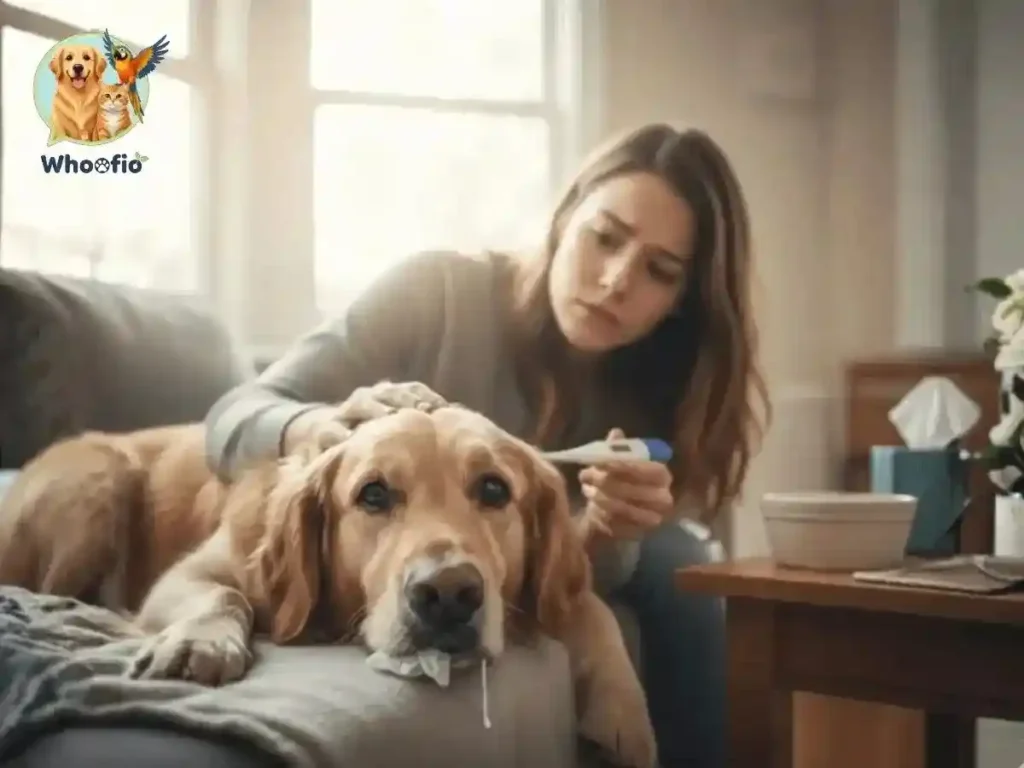
Just like people, dogs can sometimes catch a cold. While it’s not the same as a human cold, dogs can show very similar symptoms like sneezing, coughing, runny noses, or watery eyes. Seeing your furry friend not feeling well can be worrying, but the good news is that most dog colds are mild and can be treated with proper care, comfort, and rest.
In this detailed guide, we’ll explain how to know if your dog has a cold, what causes it, how to help your dog recover, and when to call the vet. You’ll also learn how to prevent your dog from getting sick in the first place.
What Does It Mean When a Dog Has a Cold?
A dog cold is usually a mild upper respiratory infection caused by viruses or bacteria that affect the nose, throat, and lungs. It’s very similar to the human common cold but comes from different germs specific to dogs.
Dogs can catch a cold from being around other sick dogs, especially in places like dog parks, boarding kennels, or grooming centers. These germs spread through the air when dogs sneeze or cough, or through shared water bowls and toys.
The most common causes of colds in dogs include:
- Canine influenza (dog flu)
- Canine adenovirus
- Canine parainfluenza virus
- Bordetella bronchiseptica (often linked to kennel cough)
These infections can lead to cold-like symptoms, but most healthy dogs recover without serious complications.
Common Symptoms of a Cold in Dogs
Dogs show many of the same symptoms humans do when they have a cold. If you’re wondering how to know if your dog has a cold, here are the main signs to watch for:
1. Sneezing and Runny Nose
Frequent sneezing or a clear nasal discharge is one of the first and most common signs of a dog cold. If the discharge becomes thick, yellow, or green, it might indicate a bacterial infection or something more serious like sinusitis.
2. Coughing or Wheezing
A soft, dry cough can occur with mild colds, but if your dog has a harsh or “honking” cough, it could be a kennel cough, which needs veterinary attention. Persistent coughing or wheezing can also point to canine influenza or bronchitis.
3. Watery or Red Eyes
When dogs have a cold, their eyes may become watery or slightly red. You might also notice mild eye discharge or your dog pawing at their face. This happens because the infection irritates the upper respiratory tract and tear ducts.
4. Nasal Congestion
Just like humans, dogs with colds can feel “stuffy.” You may hear snorting or notice that your dog breathes more through their mouth than usual.
5. Tiredness and Low Energy
Dogs with colds tend to rest more and play less. They may appear sleepy or uninterested in their usual activities. This is normal since their body is using energy to fight the infection.
6. Loss of Appetite
It’s common for dogs to eat less when they don’t feel well. Their sense of smell can weaken during congestion, making food less appealing.
7. Mild Fever
Sometimes a dog with a cold might have a slight fever. If your dog feels warm to the touch (especially on the ears or belly), you can check their temperature. A normal dog temperature ranges between 101°F to 102.5°F (38.3°C–39.2°C).
If your dog’s fever is higher or lasts more than a day, it’s time to call your vet.
When to See a Veterinarian
Most mild colds in dogs clear up in about a week with rest and home care. However, it’s very important to visit your vet if you notice any of the following symptoms:
- Difficulty breathing or heavy panting
- Coughing that sounds deep or “honking”
- Blue or pale gums or tongue
- Thick yellow or green nasal discharge
- Loss of appetite for more than 2 days
- Extreme tiredness or weakness
- Symptoms lasting longer than 7 days
These can be signs of more serious illnesses like kennel cough, canine influenza, pneumonia, or distemper. Early treatment can prevent complications and help your dog recover faster.
Conditions That Look Like a Cold
Sometimes what looks like a simple cold may be a symptom of another condition. Here are a few common ones:
1. Kennel Cough
Kennel cough is a contagious respiratory infection that causes a dry, hacking cough. Dogs often catch it in places where many dogs gather. Although most cases are mild, some can turn into pneumonia if untreated.
2. Canine Influenza (Dog Flu)
Canine flu is a more serious respiratory infection caused by specific flu viruses (H3N8 or H3N2). It spreads easily and may cause coughing, fever, and nasal discharge. Severe cases can lead to lung infections.
3. Allergies
Dust, pollen, smoke, or certain foods can cause allergy symptoms similar to a cold, including sneezing and watery eyes. However, allergies don’t cause fever or thick mucus.
4. Bronchitis or Pneumonia
If your dog’s cough is deep, wet, or persistent, it may be a sign of bronchitis or pneumonia, which require medical treatment.
5. Canine Distemper
This is a serious viral disease that can affect the respiratory, digestive, and nervous systems. It’s preventable through vaccination but can be deadly in unvaccinated dogs.
What to Do If Your Dog Has a Cold
If your dog shows signs of a mild cold, don’t worry too much. Most dog colds are not dangerous and go away in a few days with some extra care at home. Here’s what you can do to help your furry friend feel better and recover safely.
1. Provide Plenty of Rest
When your dog has a cold, rest is very important. Their body needs extra energy to fight off the infection. Avoid long walks, running, or rough play until they are back to normal.
Make a quiet and cozy place for them to sleep. Keep their bed in a warm corner, away from noise and cold air. If your dog likes to stay near you, let them rest beside you so they feel safe and relaxed. Sometimes, just being close to their owner helps them recover faster.
2. Keep Them Warm and Comfortable
Sick dogs can feel cold more easily, especially in winter. Make sure they stay warm and dry. Give them a soft blanket and keep their bed away from cold floors or windows.
If your home feels chilly, you can use a safe heating pad under part of their bed — just make sure it’s on low heat and not touching their skin directly. Warmth helps your dog breathe easier and feel more relaxed while resting.
3. Encourage Hydration
Water is one of the best things for a sick dog. It keeps their throat moist, helps loosen mucus, and supports their immune system.
Make sure there’s always clean, fresh water nearby. If your dog isn’t drinking much, try adding a little low-sodium chicken broth to make it more appealing. You can also give them wet food or add a bit of water to their dry food to increase fluid intake.
If your dog refuses to drink for more than a day, contact your vet — dehydration can make a cold worse.
4. Offer Nutritious and Tasty Food
Dogs with colds often lose their appetite, especially if their nose is blocked. But eating well helps them regain strength.
Offer warm, soft, and easy-to-digest meals such as boiled chicken and rice, plain scrambled eggs, or vet-approved wet food. Slightly warm food gives off a stronger smell, which helps your dog feel more interested in eating.
Avoid giving human food with spices, garlic, onions, or salt — these can be harmful to dogs. If your dog won’t eat for more than two days, ask your vet for advice.
5. Use a Humidifier
Dry air can make coughing and congestion worse. A humidifier adds moisture to the air, helping your dog breathe more easily.
If you don’t have one, sit with your dog in the bathroom while running a hot shower for a few minutes. The warm steam can help open their nasal passages and make breathing easier. Just be sure your dog doesn’t get too close to the hot water.
6. Clean Their Nose and Eyes
When your dog has a cold, you might notice a bit of discharge around their nose or eyes. This is normal, but it’s important to keep those areas clean.
Use a soft, damp cloth or cotton pad to gently wipe away any discharge. Do this several times a day as needed. Keeping their face clean helps them breathe comfortably and prevents irritation or infection.
If the discharge turns yellow or green, or if you notice swelling around the eyes, contact your veterinarian — that could mean there’s a bacterial infection.
7. Limit Exposure to Other Pets
Colds in dogs can spread easily through sneezing, coughing, and shared bowls or toys. If you have more than one dog, it’s best to keep the sick one apart for a few days until they’re better.
Give your sick dog separate food and water dishes, and wash them daily. Clean their bedding and toys too. Keeping things clean and separate will help stop the germs from spreading to your other pets.
8. Avoid Over-the-Counter Human Medicine
Never give your dog human cold medicine. Many contain ingredients that are toxic to dogs, like acetaminophen or ibuprofen. These can cause serious health problems, even in small amounts.
If your dog’s symptoms seem strong — such as heavy coughing, fever, or loss of appetite — talk to your vet before giving any medicine. Your vet might recommend safe dog-specific treatments, like cough syrup or antibiotics if needed.
Always follow your vet’s instructions carefully, and don’t try to medicate your dog on your own.
How Vets Diagnose Dog Colds
If your dog’s symptoms are moderate or not improving, your vet may perform tests to rule out other conditions. This can include:
- Listening to your dog’s lungs and heart
- Taking temperature and oxygen levels
- Nasal or throat swabs to test for viruses or bacteria
- Chest X-rays if pneumonia is suspected
Once the vet identifies the cause, they may recommend treatments like antibiotics (if bacterial), cough suppressants, or anti-inflammatory medicine. In more severe cases, supportive care like fluids or oxygen therapy may be needed.
How Long Does a Dog Cold Last?
Most mild colds last 5 to 10 days, depending on your dog’s health and immune system. Puppies, senior dogs, or those with weak immunity may take longer to recover. During this time, keep monitoring your dog’s symptoms and ensure they eat, drink, and rest well.
If symptoms don’t improve after a week, visit your vet to make sure it’s not something more serious.
How to Prevent Colds in Dogs
Prevention is always better than cure. With a few simple habits, you can protect your dog from catching colds or other respiratory infections.
1. Keep Vaccinations Updated
Make sure your dog’s vaccines for bordetella, parainfluenza, and canine influenza are current. These shots protect against common causes of dog colds. Ask your vet about the right vaccination schedule based on your dog’s age and lifestyle.
2. Avoid Contact with Sick Dogs
Try to keep your pet away from dogs that are coughing, sneezing, or seem unwell. Dog colds spread easily through close contact, shared water bowls, or toys, so avoid public play areas if you notice other sick pets around.
3. Maintain Good Hygiene
Wash your dog’s bowls, toys, and bedding often to prevent germs from building up. Keeping your dog’s living area clean helps reduce the chances of infection spreading inside your home.
4. Keep Your Dog Warm in Cold Weather
Cold weather can weaken your dog’s immune system. Keep them dry and warm, especially after outdoor walks. Use a dog sweater for short-haired breeds and avoid letting them stay out too long in rain or snow.
5. Provide a Healthy Diet
Good nutrition strengthens your dog’s immune system. Feed them a balanced diet with enough protein, vitamins, and minerals. Always provide clean drinking water to keep them hydrated and healthy.
6. Regular Vet Check-ups
Routine vet visits help catch early signs of illness before they become serious. Your vet can also guide you on seasonal care and immune-boosting tips to keep your dog healthy year-round.
Final Thoughts
Seeing your dog sick with a cold can be stressful, but most cases are mild and treatable with love, rest, and good care. The key is to recognize the symptoms early, provide comfort at home, and contact your vet if your dog’s condition doesn’t improve.
With proper care, most dogs bounce back quickly and return to their happy, playful selves in no time. Keep your pet warm, hydrated, and up to date on vaccines—and you’ll reduce the chances of colds or more serious infections.